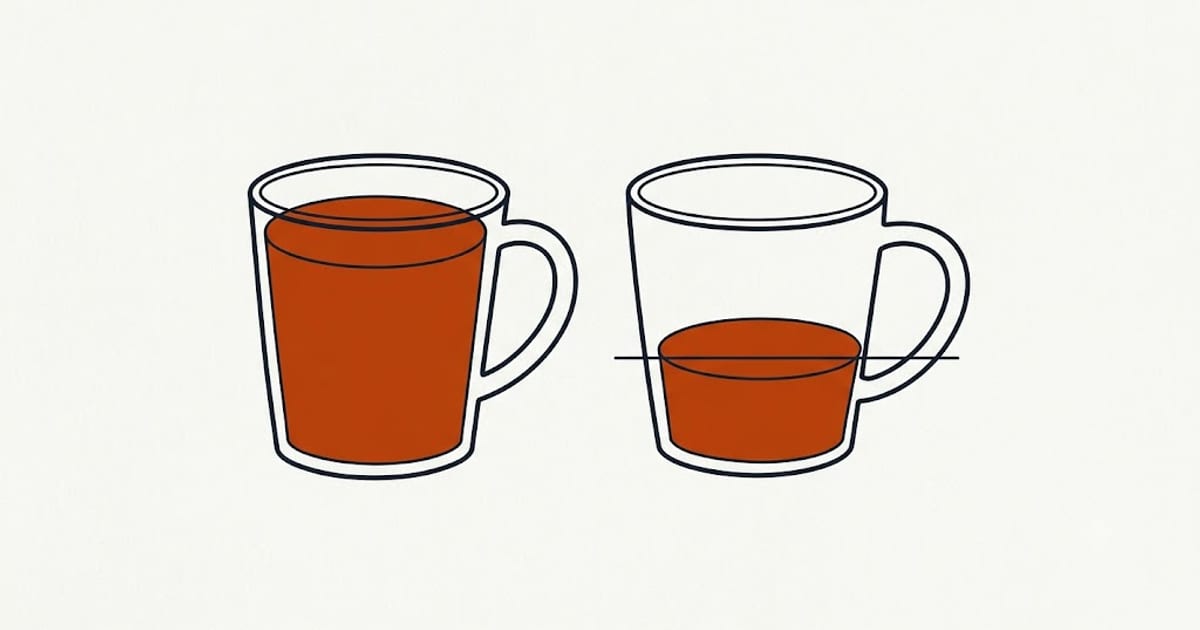
At 12 months. Whole cow's milk, and no more than 16 to 24 oz a day.
| When | 12 months, not before |
| What | Whole (full fat) cow's milk |
| How much | 16–24 oz a day, maximum |
| How | Replace one feed at a time over 1–2 weeks |
The cap is the part that matters
Too much cow's milk is one of the most common causes of iron deficiency in toddlers, and it happens through three mechanisms at once:
It displaces food. Milk is filling and low in iron. A toddler drinking 40 oz a day is not hungry for the iron-rich foods that should now be the main source.
It interferes with iron absorption. Calcium and casein both reduce how much iron the gut takes up from other foods eaten at the same time.
It can irritate the gut lining in large volumes, causing small chronic blood loss.
The result is a well-looking, well-grown toddler who is anaemic. Capping at 24 oz prevents essentially all of it, and 16 oz is plenty for most.
Whole milk, not low-fat
Under two, children need the fat. Roughly half the calories in whole milk come from fat, and it supports brain development at a stage when growth is fast.
Semi-skimmed can be introduced from two years if the child is eating well and growing normally. Skimmed is not appropriate before five.
Why not before twelve months
Cow's milk before a year is not suitable as a main drink — small amounts in cooking or on cereal are fine from six months.
It is low in iron and vitamin E, high in protein and minerals that a young kidney handles poorly, and the protein can irritate the immature gut lining. Formula and breast milk are both designed around those problems; cow's milk is designed for calves.
How to make the switch
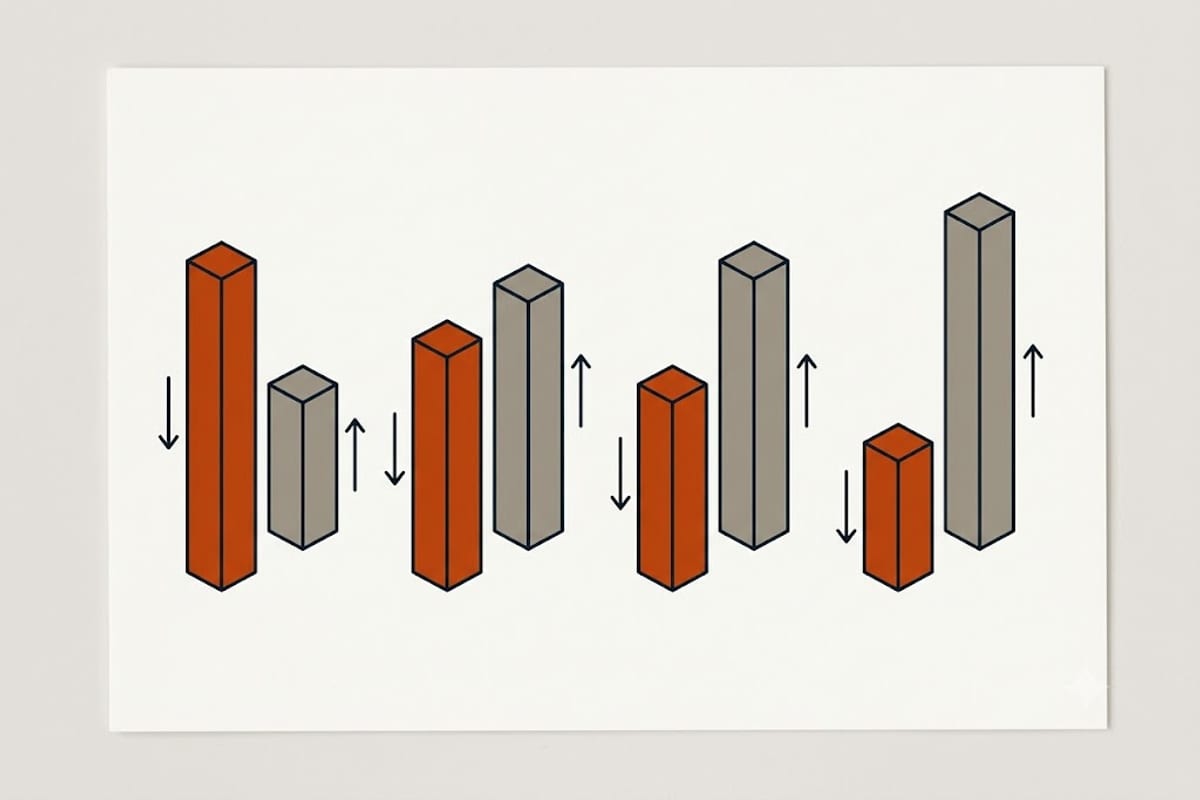
Most babies accept it immediately. For those who do not, replace one feed at a time over one to two weeks, starting with the feed they care least about — usually a daytime one rather than the bedtime bottle.
If it is refused outright, mixing works: three-quarters formula to one-quarter milk for a few days, then half and half, then a quarter, then none. Warming it slightly to body temperature helps, since formula is usually served warm and cold milk is a second change on top of the first.
There is no rush. A week or three either side of the first birthday makes no difference.
Bottles and cups
Twelve months is also the point at which paediatricians and dentists want bottles gone, so the two transitions are usually done together.
An open cup or straw cup rather than a bottle. Milk pooling around the teeth from a bottle — particularly a bedtime bottle — is the main cause of early childhood tooth decay, and it is entirely preventable.
If cow's milk is not an option
Fortified soy milk is the only plant milk considered a nutritional substitute in the second year, and it should be unsweetened and fortified with calcium and vitamin D.
Almond, oat, rice and coconut milks are not substitutes — they are far too low in protein and fat for a toddler, and rice milk carries an arsenic caution for young children.
Cow's milk protein allergy is a separate case and needs a paediatrician rather than a shelf choice.
Feeding amounts before the switch are on the formula pages, and water has its own rules alongside milk.
Sources: American Academy of Pediatrics, Cow's Milk and Milk Alternatives; NHS What to feed young children.
Reference information, not medical advice. Speak to your paediatrician or health visitor about your own child.