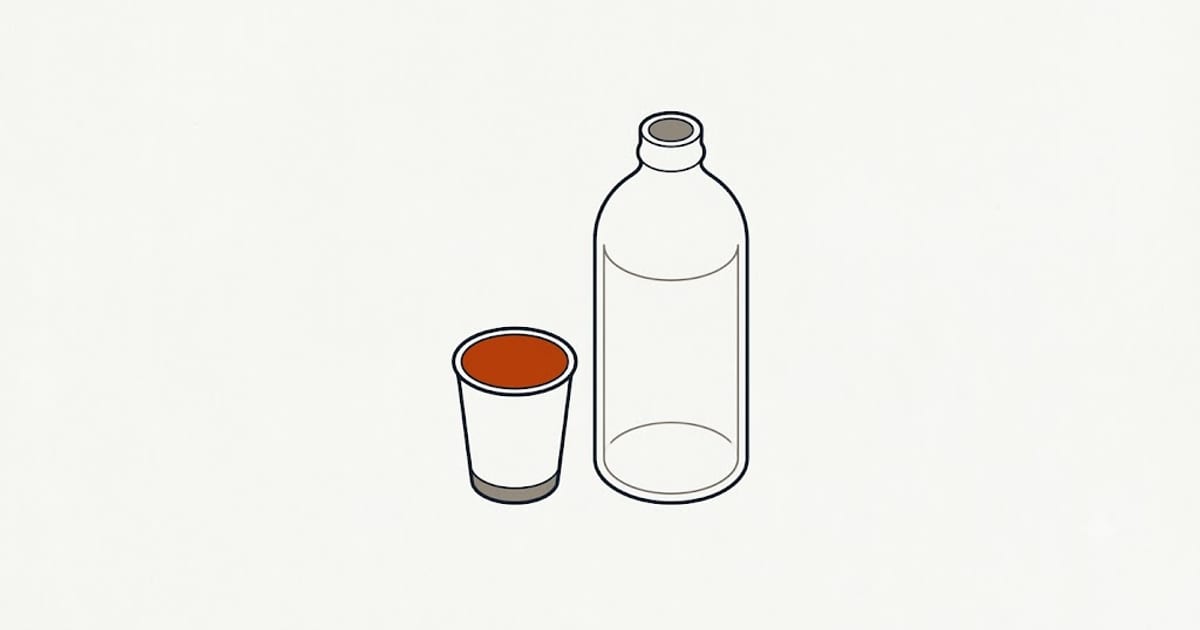
Not before 6 months. From 6 to 12 months, small sips with meals — 2 to 4 oz a day is plenty. After 12 months, water can be offered freely.
| Age | Water |
|---|---|
| Under 6 months | None |
| 6–12 months | 2–4 oz a day, sips with meals |
| 12–24 months | 8–32 oz a day as wanted |
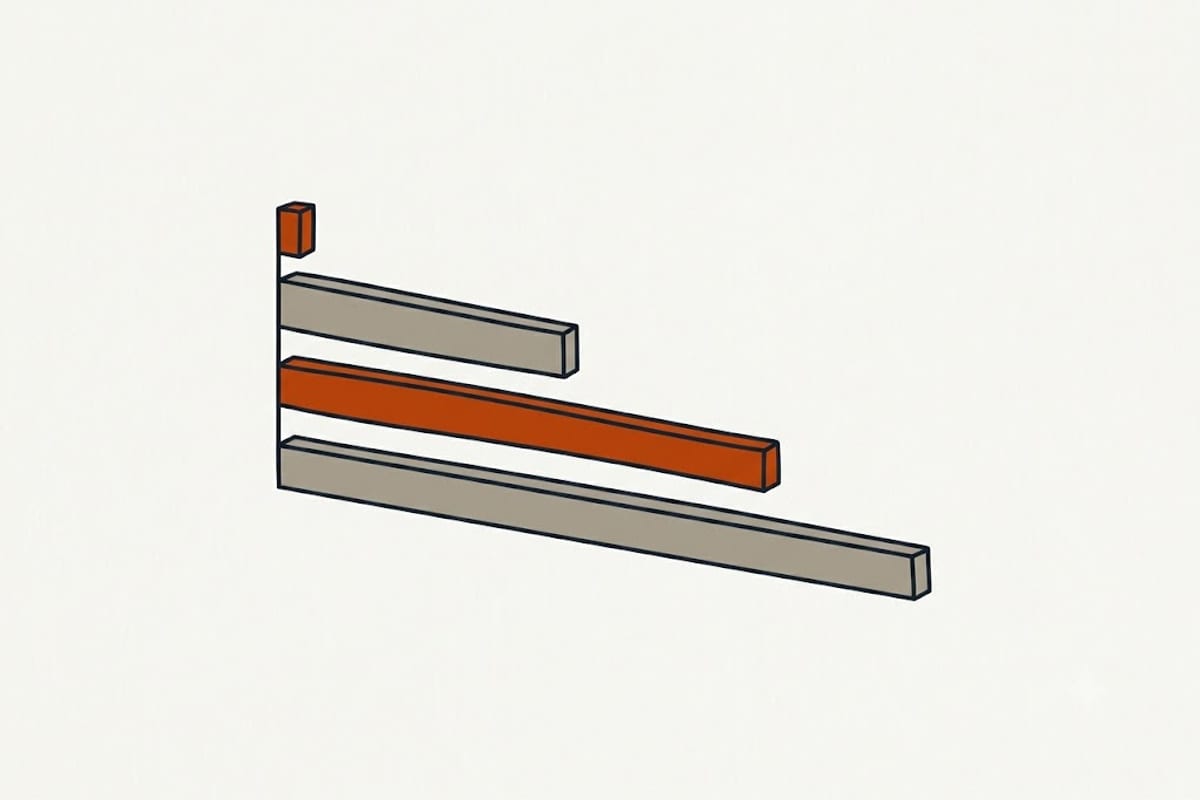
Why not before six months
Two reasons, and the first is the serious one.
Immature kidneys. A young baby's kidneys cannot concentrate or dilute urine efficiently. Water dilutes the sodium in the blood, and the kidneys cannot correct it fast enough. That is water intoxication — hyponatraemia — and it presents as irritability, drowsiness, low body temperature, facial swelling and, in severe cases, seizures.
It does not take much. A few ounces in a day can be enough in a small baby, and it is a genuine paediatric emergency rather than a theoretical risk.
Displaced nutrition. A newborn's stomach is small. Water fills it without providing calories, which means less milk taken and less weight gained.
Breast milk and formula are roughly 87% water. A baby on either is fully hydrated, including in hot weather — the answer to a hot day is more milk feeds, not water.
The exception nobody should improvise
A paediatrician occasionally recommends small amounts of water for a specific reason, usually constipation once solids have started. That is a medical instruction with a stated amount, not a general permission.
Never give water to a baby under six months without being told to.
From six to twelve months
Water can be introduced with solids, and the amount is small: 2 to 4 oz a day, offered with meals rather than between them.
Milk is still the main source of both nutrition and fluid through the first year. Water that displaces milk feeds is working against the point.
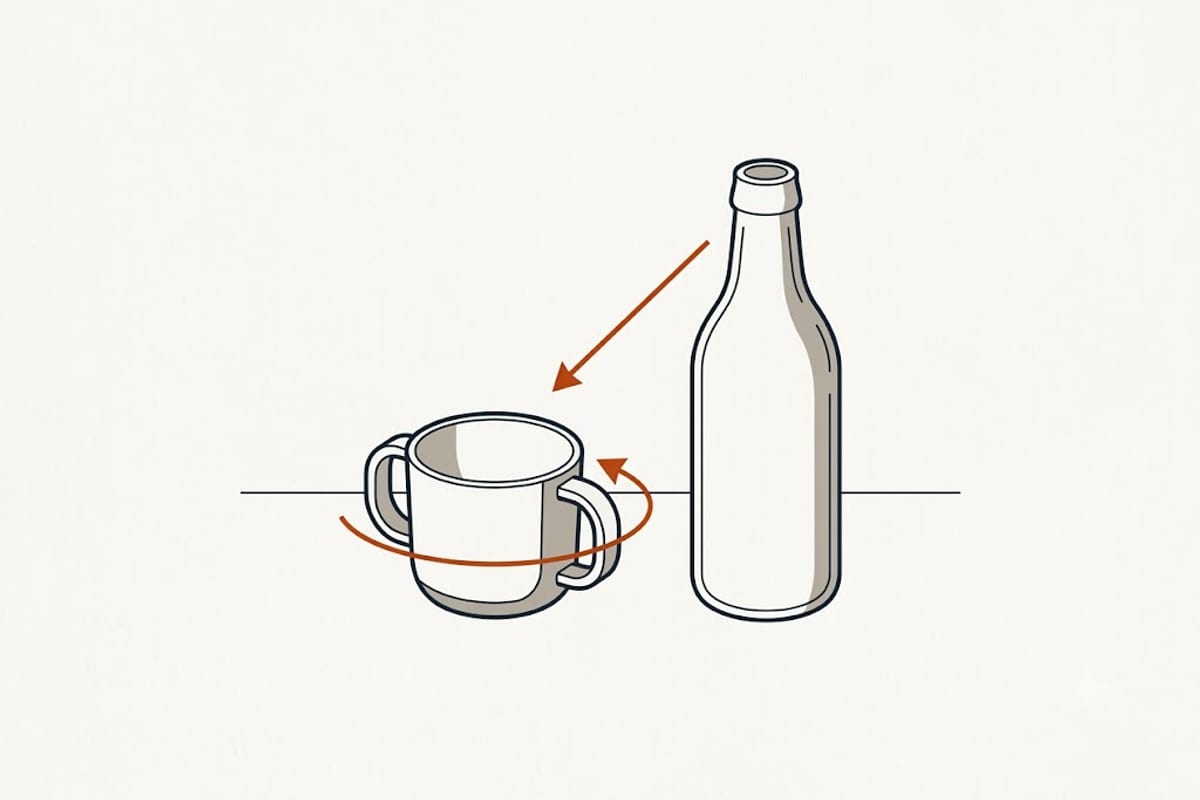
Offer it in an open cup or a straw cup, not a bottle. Speech and language therapists and dentists both prefer open cups from six months — bottles encourage a sucking pattern that outlives its usefulness, and a bottle of anything but water at bedtime is the main cause of early childhood tooth decay.
After the first birthday
Water can be offered freely from twelve months. Typical intake is 1 to 4 cups a day depending on the child, the weather and how much milk they are still taking.
Cow's milk also becomes appropriate at twelve months, capped at about 16 to 24 oz a day — more than that displaces iron-rich foods and is a well-documented cause of iron deficiency in toddlers.
Never dilute formula
Adding extra water to formula to stretch a tin, or to "keep the baby hydrated", carries exactly the risks above plus under-nutrition.
The mixing ratio on the tin is a medical instruction. The electrolyte balance depends on it, and getting it wrong is dangerous in both directions.
When to seek help
Signs of water intoxication in a baby under six months — unusual drowsiness, irritability, facial puffiness, low temperature, or a seizure — need emergency care, and it is worth telling the clinician if water was given.
Signs of dehydration, in the other direction: fewer than four wet nappies a day, a sunken fontanelle, no tears when crying, or unusual lethargy.
Feeding volumes for each age are on the feeding pages, and weight gain over the same period is read against the growth curve.
Sources: American Academy of Pediatrics, Choose Water for Healthy Hydration; NHS Drinks and cups for babies and young children.
Reference information, not medical advice. Speak to your paediatrician or health visitor about your own baby.