Clothing & Gear Sizes
What size fits at each age, and how brands differ.
Baby clothing labels look like ages and behave like weight ranges. A nine-month-old wears anything from 6M to 18M depending on the child and the brand, and none of that is a labelling error.
The label describes the garment's cut, which is designed around a weight and height band. It lines up with the age on the tag only for a baby of average size and average proportions.
Length runs out before width does
The single most useful thing to know: most children outgrow a size in length while it still fits in the body.
Sleepsuits and footed one-pieces are therefore outgrown months before vests and tops in the same size. Footed garments have no give at all in length — when the toes press, the size is finished regardless of how the chest fits.
Buy sleepwear a size up as a default. Buy tops to fit.
Brands do not agree with each other
There is no regulated baby sizing standard. Each brand sets its own and the spread is wide enough to matter.
European brands often size by height in centimetres — 74 cm, 80 cm, 86 cm — which is a measurement rather than an age and is more useful than any label on this site. Some American brands run generous and some run small. A single-month label such as "12M" usually means fits up to that age, so it can be smaller than a "6–12M" garment.
Cotton shrinks. A garment that fits at purchase and is tight after three washes was not mislabelled.
Measure the child, not the label
Height and weight put you on a size band directly. The label only tells you where to start looking, and height is the dimension that ends a size.
Buy shallow, not deep
A baby moves through 9–12M in roughly three months and 12–18M in five or six. Buying several of one size is buying clothes that will be outgrown unworn — the exception being sleepwear, where a size up gets worn for longer than expected rather than shorter.
6 articles
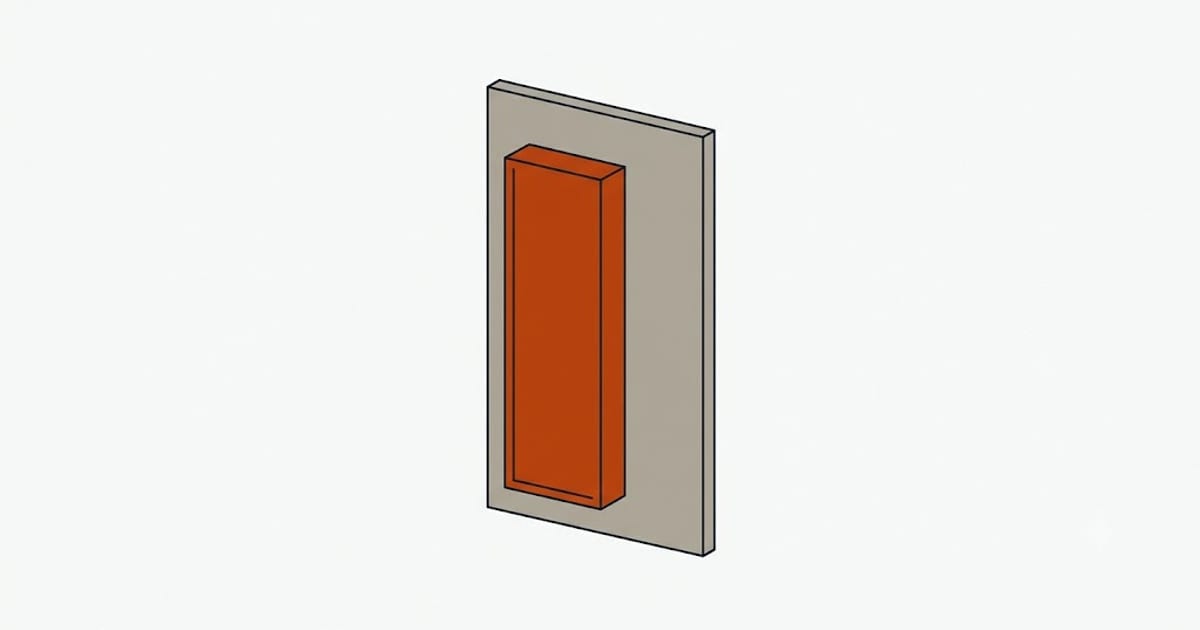 When to Move Up a Size — The Feet and the Shoulders Go First
A sleepsuit that fits everywhere except the feet is a sleepsuit that has been outgrown, and it happens weeks before the body looks tight.
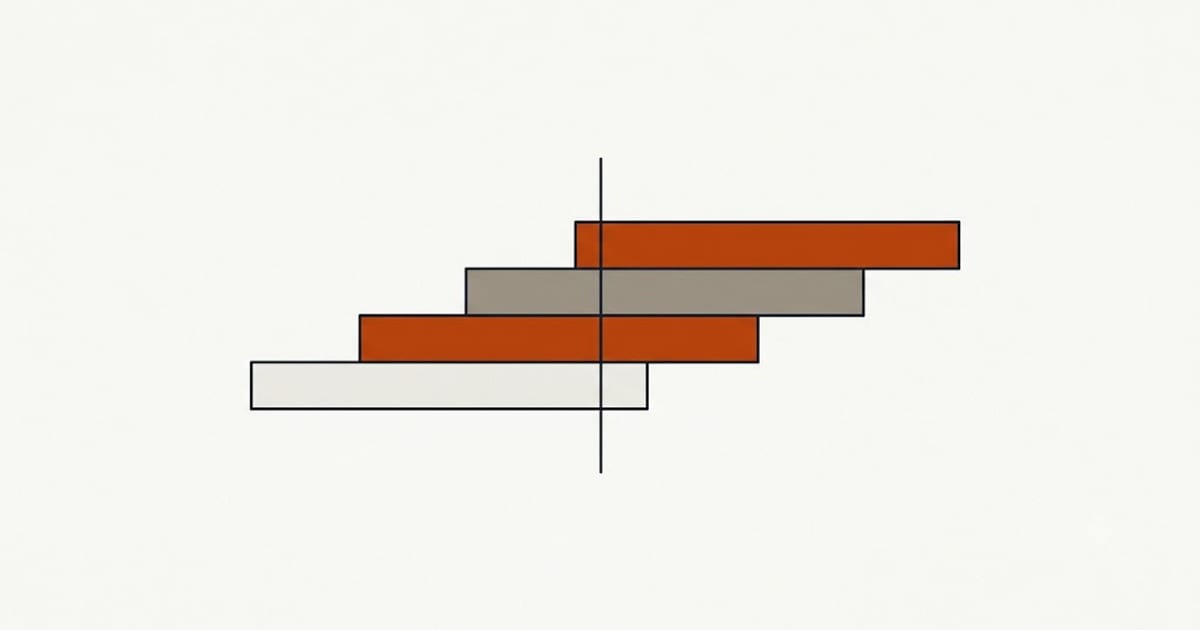 What Size Clothes for a 9-Month-Old? Usually 9–12M, and Why the Label Is a Weight Range
Baby clothing labels look like ages and behave like weight ranges. A 9-month-old wears anything from 6M to 18M depending on the child and the brand.
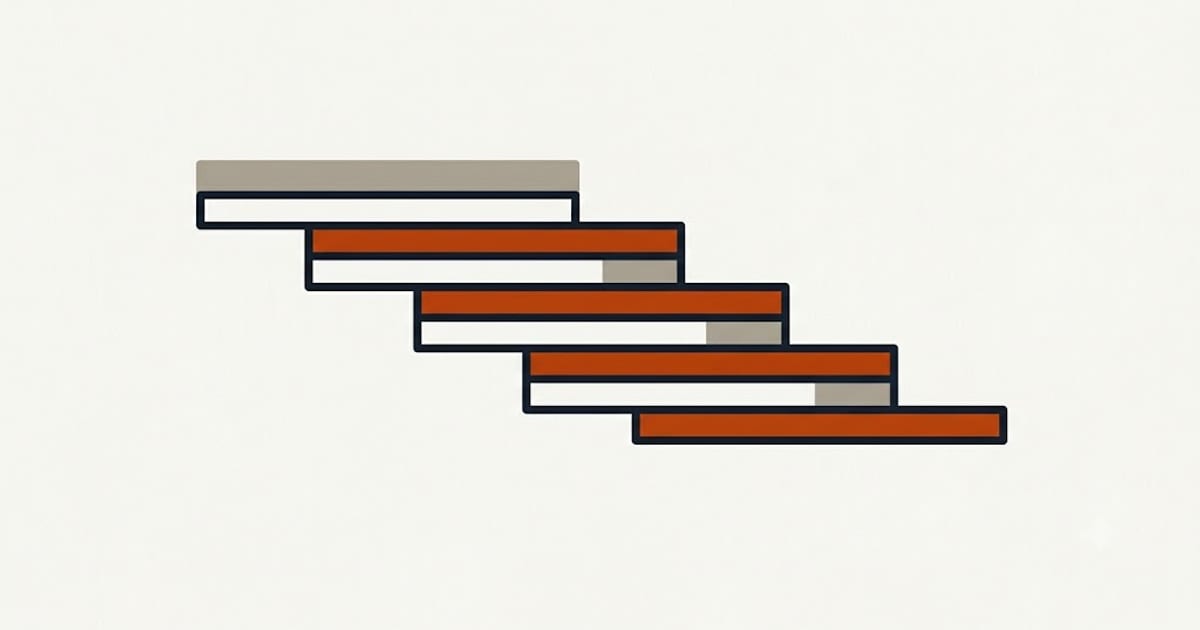 What Size Diaper for a 3-Month-Old? Usually Size 2, Sometimes 1 or 3
Nappy boxes print an age nowhere and a weight range everywhere. A three-month-old is usually in size 2, and the box will tell you when it is not.
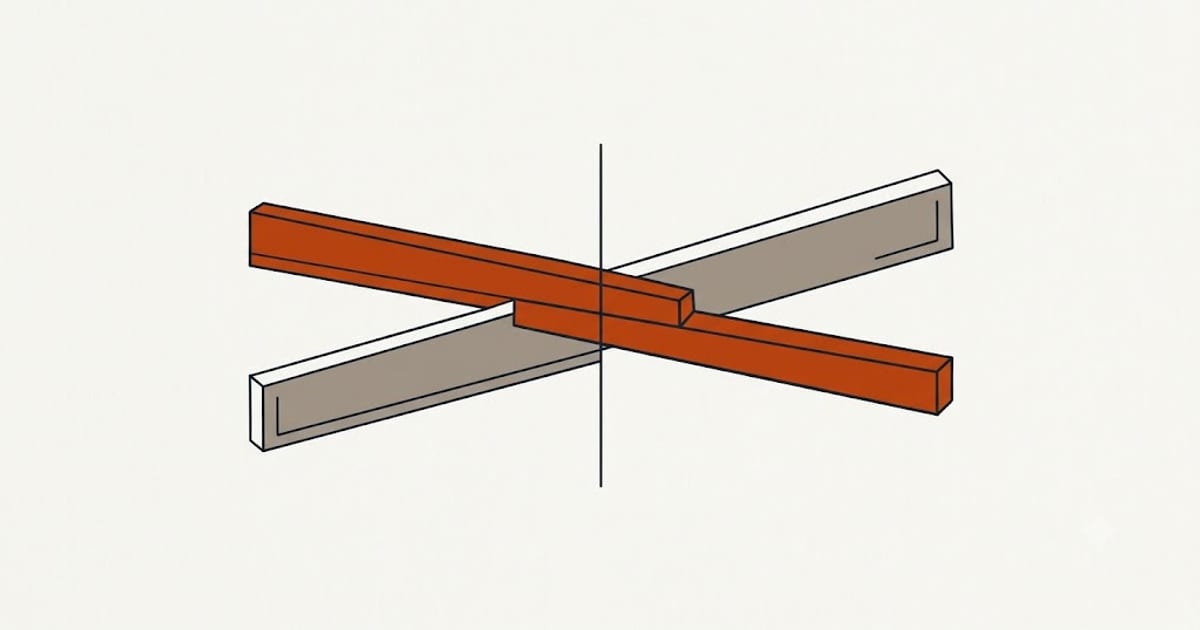 What Size Clothes for a 10-Pound Baby? Newborn or 0–3M, Depending on Length
Ten pounds sits exactly on the boundary between newborn and 0–3M. Length decides which side of it your baby is on.
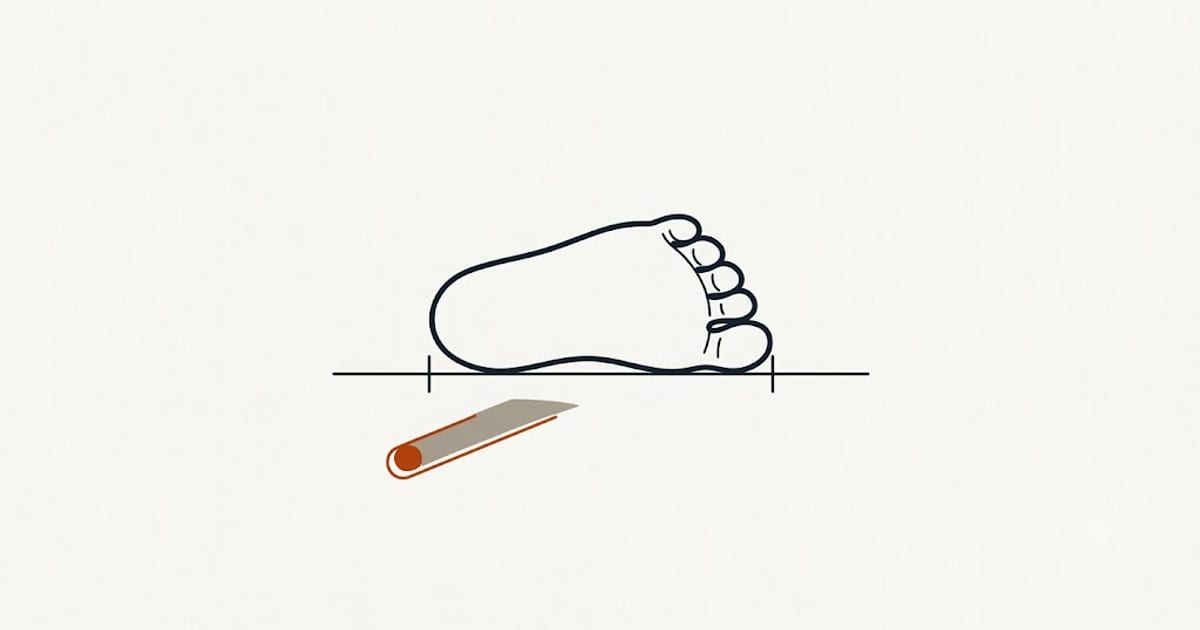 Baby Shoe Size by Age: The Chart, and Why Babies Do Not Need Shoes
The chart is here because people look for it. The more useful fact is that a baby who is not walking outdoors does not need shoes at all.
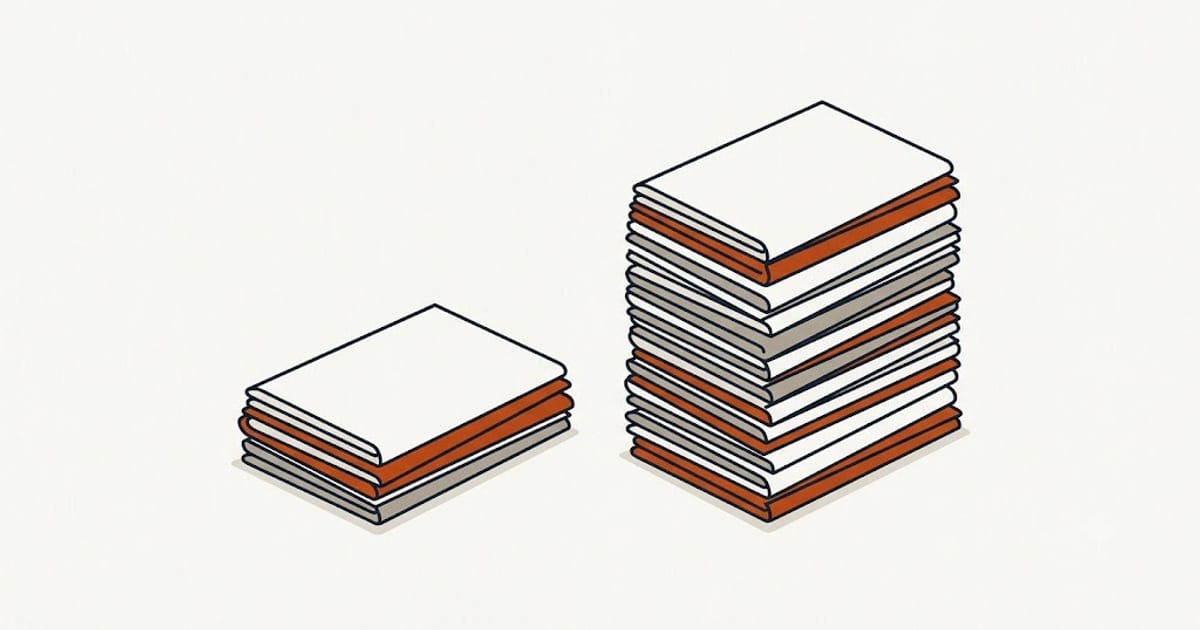 How Many Clothes Does a Newborn Need? Fewer Than Every List Says
Most published lists are written by people selling clothes. The real number depends almost entirely on how often you do laundry.