Baby clothing sizes are labelled by age and fitted by size, and the two agree only loosely. A baby on the 90th percentile for length wears sizes months ahead of the label; one on the 10th wears them months behind.
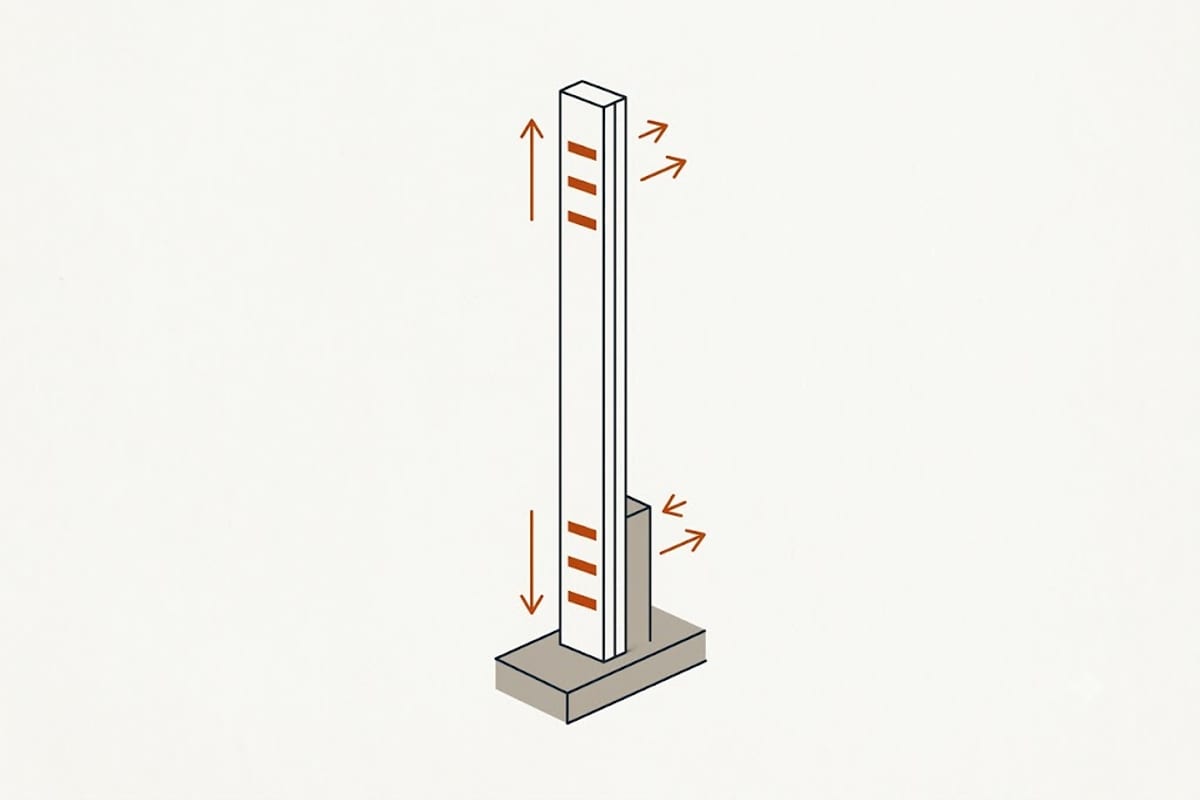
The signs, in the order they appear
Toes pressed against the end of a sleepsuit. Almost always the first sign, and it matters — a footed garment that is short pulls the whole suit down and can affect hip and foot position over time.
Shoulders and neckline pulling when the arms are raised. Getting a top over the head becomes a struggle.
Nappy area tight, with poppers straining to close, or a bodysuit riding up and pulling the shoulders down.
Sleeves and legs riding well up, more than an inch above wrist and ankle.
Red marks on the skin after a garment comes off — around the thighs, the waist, the arms. That is the definitive answer.
Length before width, usually
Babies grow in length faster than in girth for much of the first year, which is why the feet and the shoulders are the first things to run out.
The practical consequence is that sizing by weight alone produces garments that fit the body and not the length. Where a chart offers both, use length for sleepsuits and anything footed, and weight for outerwear and separates.
Sizes are not standardised
Manufacturers differ substantially, and the same "6–9 months" from two brands can be an inch and a half apart in length. European, UK and US sizing conventions differ again.
Where a brand publishes a length range in centimetres or inches, that is the useful number. The age on the label is a marketing convenience.
Buying ahead
A little large is fine; too large is not. A sleepsuit with an inch of spare length is safe and will last. One several sizes too big bunches at the neck, gathers fabric near the face, and gets in the way of the arms.
For sleeping garments in particular, a good fit at the neck and armholes matters, and loose fabric around the head is best avoided.
Buying the next size up rather than the next two is the approach that wastes least, because babies pass through sizes quickly and unevenly.
The pace
Most babies move through sizes fastest in the first six months and slow down after that. It is common to skip a size entirely on a fast-growing baby, and equally common to spend four months in one on a slower one.
Neither is a concern in itself. What matters is that growth is following a consistent curve, which is what the weight and length checks at routine appointments are for.
Practical habits
Check the feet weekly on any footed garment — it takes seconds and it is the sign that appears first.
Sort clothes by actual size rather than by label age, and keep the next size up accessible rather than packed away, because the transition tends to happen suddenly.
And keep the receipt on anything bought ahead. A baby who grows faster than expected can skip a size entirely, and unworn clothes in the wrong size are the largest single waste in the first year.
Sleep sacks and swaddles are sized differently
A sleep sack is sized on weight and length together, and it has to be loose over the body while fitting closely at the neck and armholes. Too large is a safety question rather than a comfort one, because a baby can slip down inside it.
Swaddles are outgrown by developmental stage rather than by size: once a baby shows any sign of rolling, swaddling with the arms in stops regardless of how well the swaddle fits.
Shoes come much later than people buy them
A baby who is not walking does not need shoes. Soft socks or booties for warmth are all that is required, and bare feet are better for developing balance and foot strength indoors.
When walking shoes are needed, they are sized on foot length with about a thumb's width of room, and feet at this age grow fast enough to need checking every six to eight weeks.