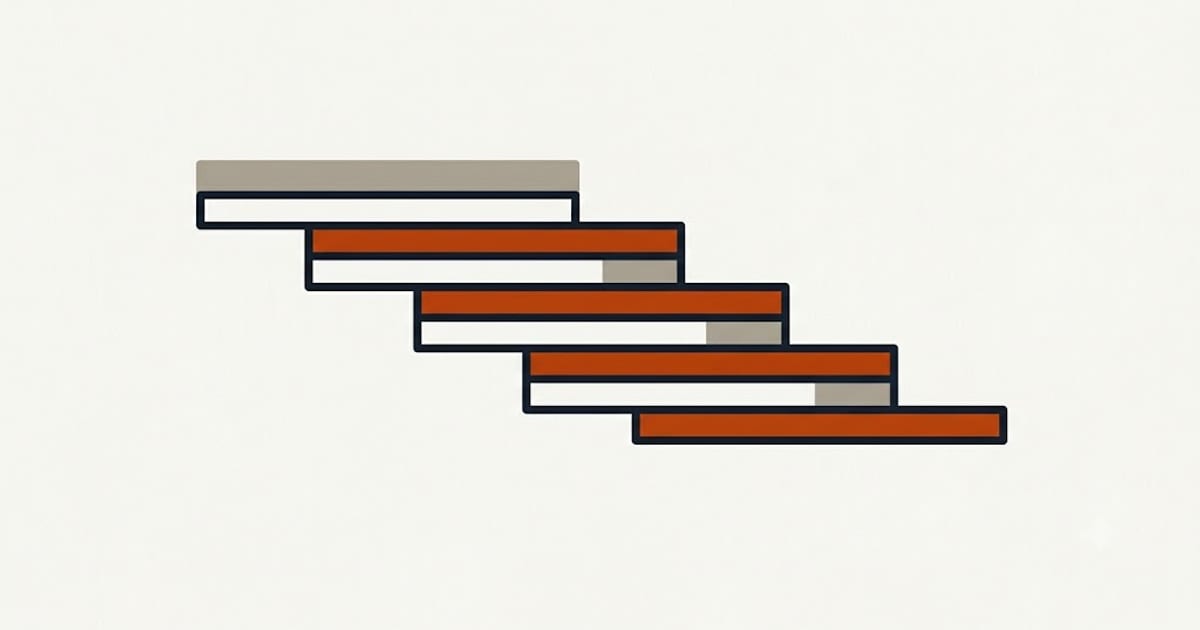
Size 2 for most three-month-olds. A small one may still be in size 1; a large one may already be in size 3.
| Size | Weight | Typical age |
|---|---|---|
| Newborn | up to 10 lb | 0–6 weeks |
| Size 1 | 8–14 lb | 1–3 months |
| Size 2 | 12–18 lb | 2–6 months |
| Size 3 | 16–28 lb | 5–24 months |
| Size 4 | 22–37 lb | 18–36 months |
| Size 5 | 27 lb+ | 3 years+ |
| Size 6 | 35 lb+ | 4 years+ |
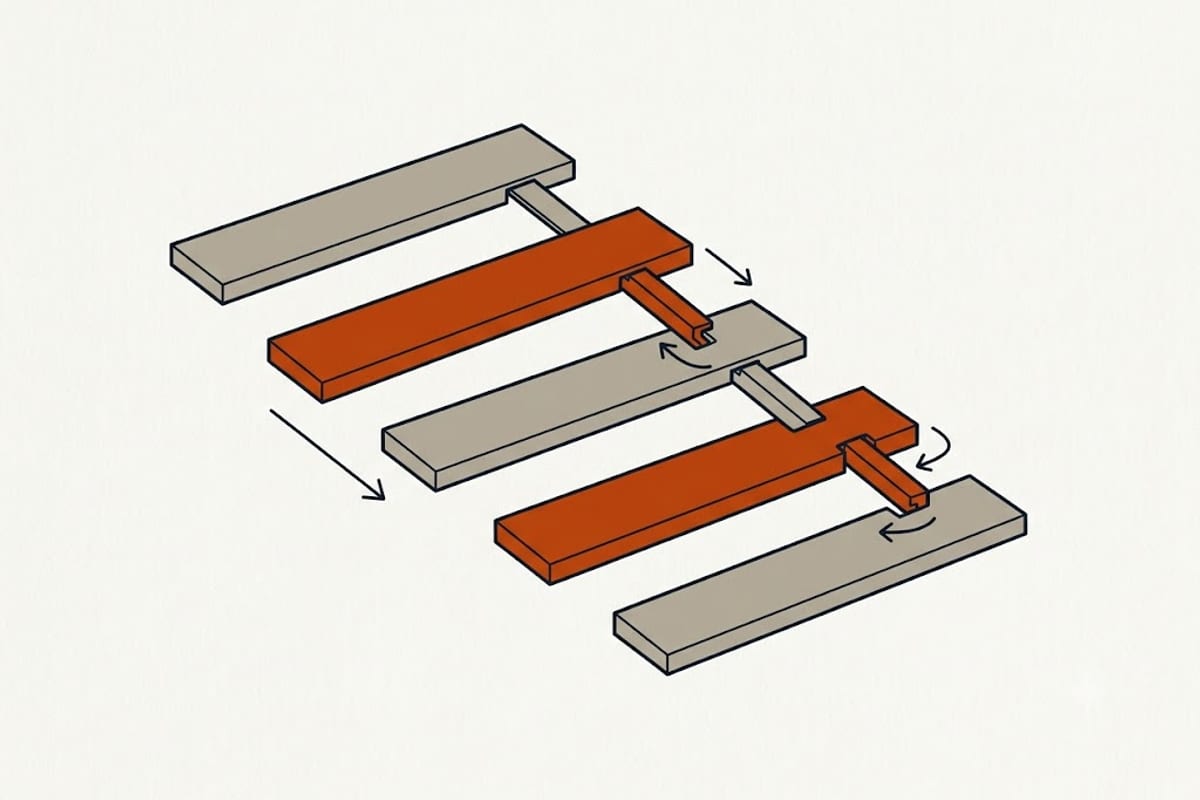
Notice that the bands overlap heavily. A 14 lb baby fits size 1, size 2 and size 3 by the printed ranges — which is why the box is a starting point rather than an answer.
Weight beats age, and the box agrees
Nappy packaging gives a weight range and, on most brands, no age at all. That is deliberate: weight is what determines whether the absorbent core and the elastic sit where they should.
A three-month-old at 11 lb and one at 16 lb are two different nappies, and no age-based table can hold both.
The three signs a size is finished
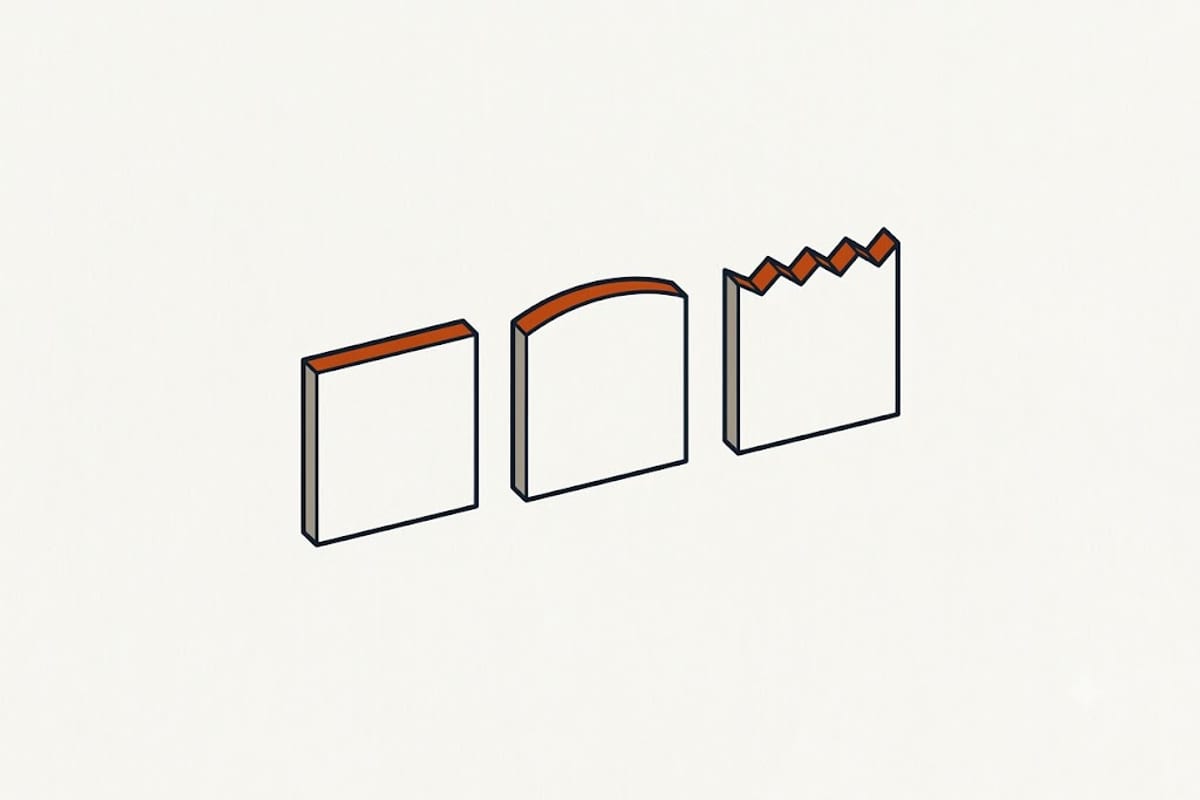
The weight range is not the trigger. These are, and any one of them means move up even if the weight still says stay:
Leaks up the back or out the legs, particularly overnight. This is the most common signal and it is nearly always size rather than brand.
Red marks at the waist or thighs after a change. The elastic is doing too much work.
Tabs meeting at the middle with nothing to spare, or the nappy no longer covering the belly button area at the front.
Going up a size when the current one is leaking almost always fixes it. Going up two sizes creates gaps at the legs and starts the leaking again from the other direction.
Overnight is a different question
Many babies need one size larger at night than during the day, or a nappy specifically sold as an overnight version with more absorbent material.
Twelve hours is a long time for a daytime nappy, and a night leak is not a sign the daytime size is wrong.
Brands differ enough to matter
There is no standard. One brand's size 2 runs noticeably larger than another's, and the cut differs — some are narrower through the legs, some longer in the rise.
A baby who leaks in one brand at the correct size may not leak in another at the same size. Buying a small pack before committing to a box is worth the slightly higher unit price the first time you switch.
Cloth sizing works differently
Cloth nappies mostly come in two systems and neither matches the disposable numbers.
One-size nappies adjust with rows of poppers and claim to fit from around 8 lb to potty training. In practice they fit poorly at the very bottom of that range on a small newborn and well from about 12 lb onward, which is why many people use disposables or newborn-specific cloth for the first six weeks.
Sized cloth runs small, medium, large, roughly tracking disposable sizes 1, 3 and 5. It fits better at each stage and costs more because you buy the set two or three times.
The fit test is the same either way: no gaps at the leg, no red marks, and the rise adjusted so the top sits below the belly button.
How many a day
| Age | Nappies per day |
|---|---|
| Newborn | 10–12 |
| 1–5 months | 8–10 |
| 6–12 months | 6–8 |
| 12–24 months | 5–7 |
Which is roughly 2,500 to 3,000 nappies in the first year. That figure is worth knowing before buying in bulk at a size the baby may be through in six weeks — size 1 in particular is often outgrown far faster than the box quantity suggests.
Clothing runs on a similar overlapping band system, and weight itself is best read against the growth curve rather than as a single figure.