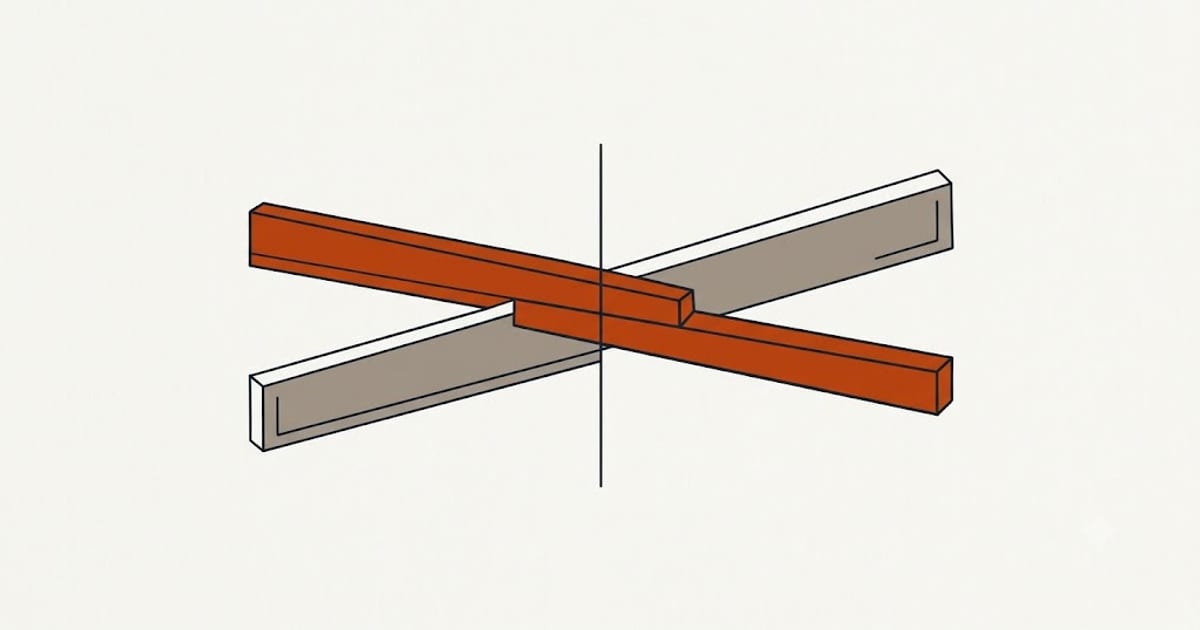
Newborn or 0–3M. Ten pounds sits on the boundary, and which side depends on length rather than weight.
| Size | Weight | Length |
|---|---|---|
| Preemie | up to 6 lb | up to 17 in |
| Newborn | 6–9 lb | 17–21.5 in |
| 0–3M | 8–12 lb | 21.5–24 in |
| 3–6M | 12–16 lb | 24–26.5 in |
| 6–9M | 16–18 lb | 26.5–28 in |
| 9–12M | 18–21 lb | 28–30 in |
| 12–18M | 21–24 lb | 30–32 in |
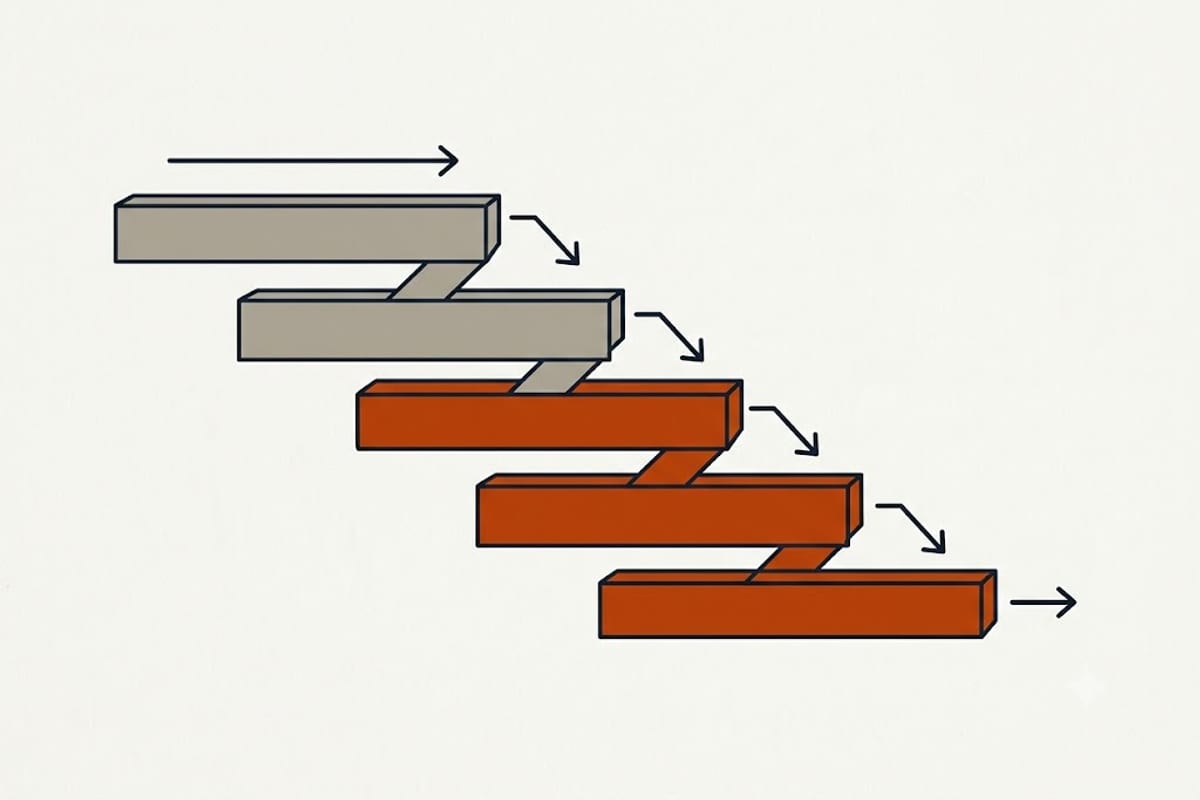
A 10 lb baby fits the 0–3M band on weight and could fit either on length. If they are 21 inches, newborn still works. At 23 inches, 0–3M.
Length ends a size, not weight
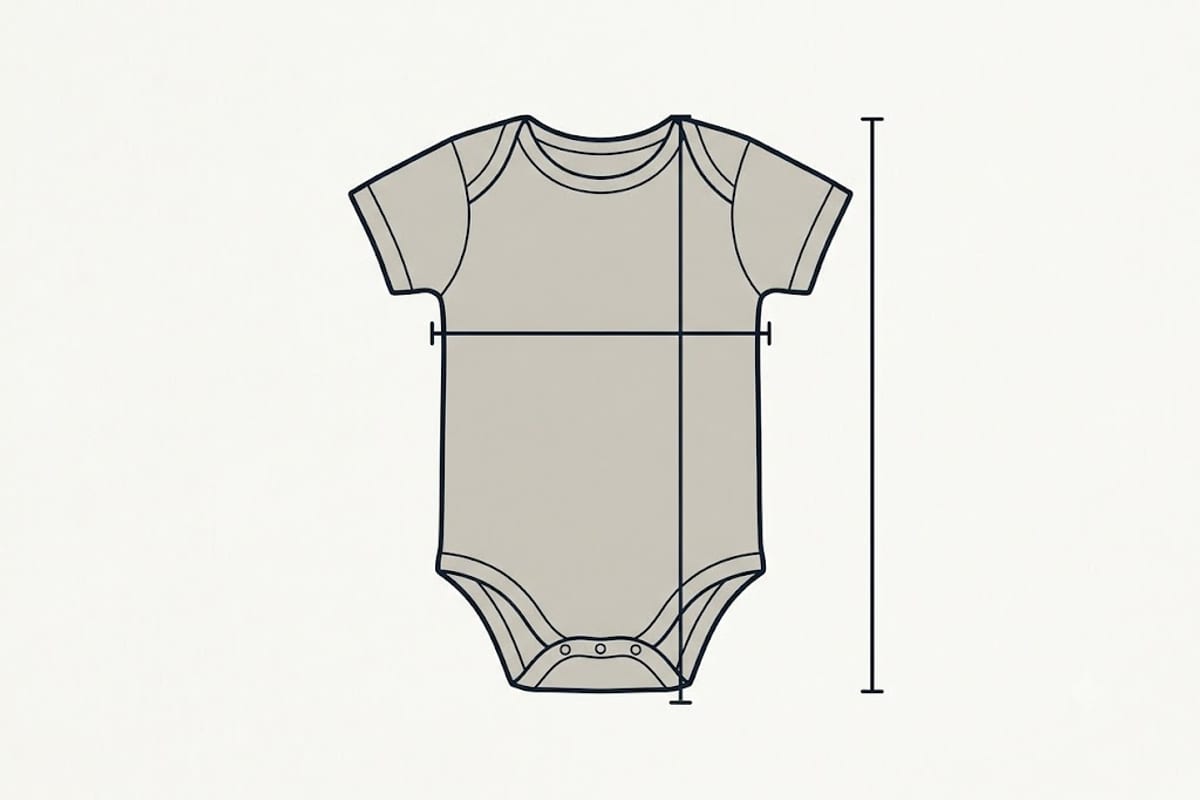
The single most useful thing about baby clothes: most babies outgrow a size in length while it still fits in the body.
Footed sleepsuits and one-pieces go first, because they have no give at all in length — when the toes press, the size is finished however the chest fits. Vests and tops in the same size carry on for weeks afterwards.
Buy sleepwear a size up as a default. Buy tops to fit.
Weight beats age on the label
Baby clothing labels give an age and are cut to a weight and height band. They line up only for a baby of average size and proportions.
A 10 lb baby might be six weeks old or three days old. The label cannot know that, and there is no reason to buy by age when the weight is on the tag.
Brands disagree by a full size
There is no regulated standard. Each brand sets its own bands and the spread matters:
European brands often size by height in centimetres — 56 cm, 62 cm, 68 cm — which is a measurement rather than an age. 56 cm is roughly newborn, 62 cm roughly 0–3M. This is more useful than any age label.
A single-month label means "fits up to". "3M" is usually smaller than "0–3M", which catches people out when mixing brands.
Cotton shrinks. A garment that fits at purchase and is tight after three washes was not mislabelled.
How much to buy at this size
Very little. A 10 lb baby is typically through 0–3M in six to ten weeks.
A workable set for one size at this stage: 6 to 8 sleepsuits, 6 to 8 vests, 2 to 3 outfits for going out, and a cardigan. Buying deeper is buying clothes that will be outgrown unworn, and newborn sizes in particular are frequently skipped entirely by larger babies.
The exception is sleepwear, where a size up gets worn for longer than expected rather than shorter.
Washing changes the fit
Baby clothes are washed constantly and at higher temperatures than adult clothes, and both shorten their usable life in ways worth planning around.
Cotton shrinks most in the first two or three washes, and mostly in length — which is the dimension that ends the size. A sleepsuit that fitted on the first wear can be tight at the toes a fortnight later without the baby having grown much at all.
Wash at 40°C rather than 60°C where the label allows, and avoid tumble drying anything you want to keep for a second baby. Synthetic blends shrink less but breathe less, which matters for a baby who is already being kept warm in a sleep sack.
Buying one size up in sleepwear absorbs the shrinkage and the growth at the same time, which is the practical reason it is the standing advice.
What to look for at this stage
Wide neck openings or shoulder snaps. Head circumference grows fast, and a tight neckline is why a well-fitting top gets abandoned.
Front openings rather than over-the-head, for the first weeks — easier with a baby who cannot yet hold up their head.
Nappy access without full undressing. At ten changes a day this matters more than anything else on the garment.
Growth over the same period is read against the curve, and nappy sizing runs on a similar overlapping band system.