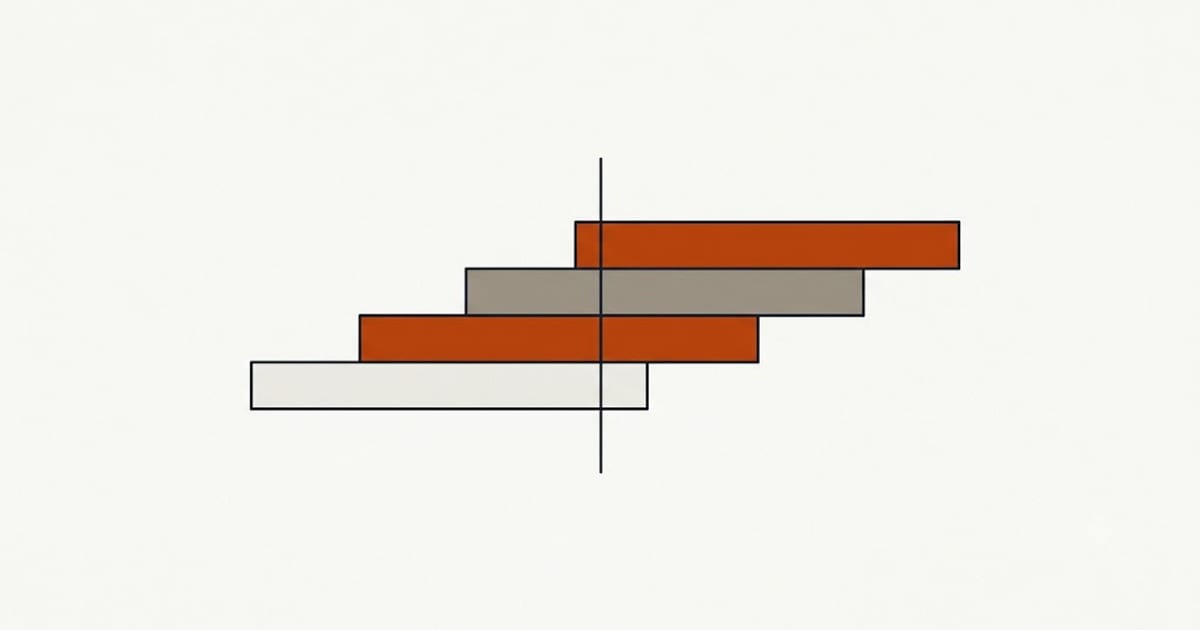
A 9-month-old usually wears 9–12M, sometimes 12M, and a large one may already be in 12–18M.
The reason the answer is that loose: the label is an age, but the garment is cut to a weight and height range, and the two only line up for an average baby of an average shape.
What each label actually covers
| Label | Weight | Height |
|---|---|---|
| Newborn | up to 8 lb | up to 21.5 in |
| 0–3M | 8–12 lb | 21.5–24 in |
| 3–6M | 12–16 lb | 24–26.5 in |
| 6–9M | 16–18 lb | 26.5–28 in |
| 9–12M | 18–21 lb | 28–30 in |
| 12–18M | 21–24 lb | 30–32 in |
| 18–24M | 24–28 lb | 32–34 in |
| 2T | 28–32 lb | 34–36 in |
An average 9-month-old is around 18 to 20 lb and 28 inches — which lands squarely in 9–12M, and also touches both bands either side.
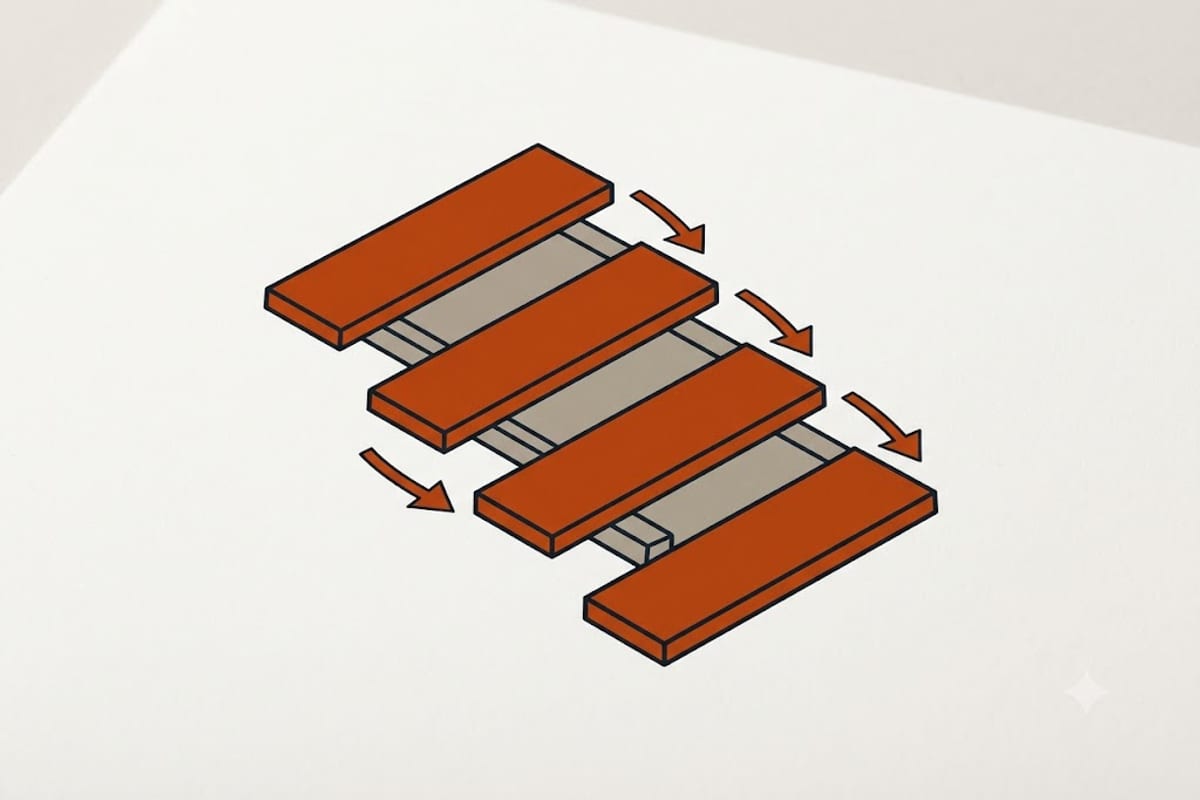
Length runs out before width does
The single most useful thing to know about baby clothes: most children outgrow a size in length while it still fits in the body.
That is why sleepsuits and footed one-pieces are outgrown months before vests and tops in the same size, and why a baby can be comfortably in 9M shirts and already need 12M sleepwear. Footed garments have no give at all in length — when the toes press, the size is finished, regardless of how the chest fits.
Buy sleepwear a size up as a default. Buy tops to fit.
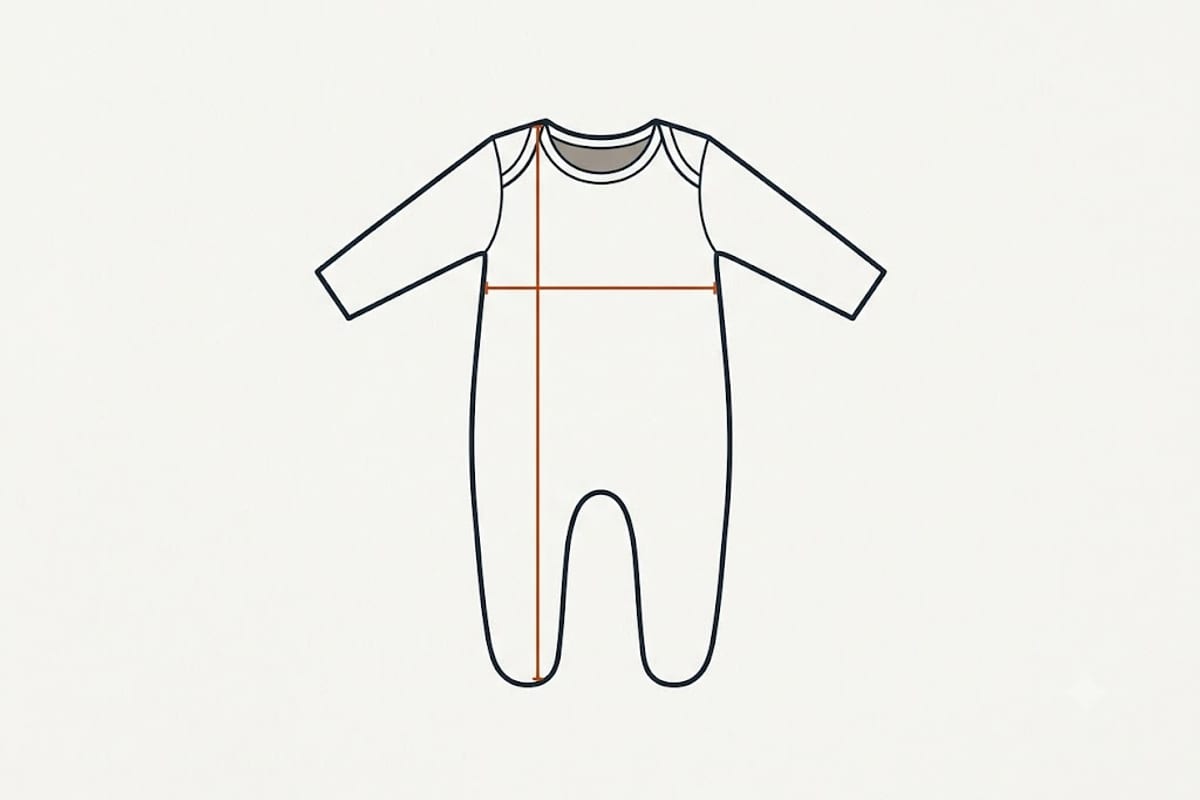
Brands do not agree with each other
There is no regulated baby sizing standard. Each brand sets its own, and the spread is wide enough to matter:
European brands often size by height in centimetres — 74 cm, 80 cm, 86 cm. That is a measurement, not an age, and it is more useful than any label on this page. 74 cm is roughly 9–12M.
Some American brands run generous, some run small, and a few label a range while others label a single month. "12M" and "6–12M" are not the same garment: a single-month label usually means fits up to that age, so 12M can be smaller than 6–12M.
Cotton shrinks. A garment that fits at purchase and is tight after three washes was not mislabelled; it was cotton.
The practical response is to stop treating the label as information and measure the child instead. Height and weight put you on the table above; the label just tells you where to start looking.
What to actually buy at 9 months
At this age babies are usually crawling, pulling up, and being changed on the floor rather than a table. That changes what works more than size does:
Two-piece over one-piece for daytime. Nappy changes on a moving child are much faster without unsnapping a full-body garment.
Knees that will take abrasion. Crawling wears through thin cotton at the knee within weeks.
Wide neck openings or shoulder snaps. Head circumference grows fast in the first year, and a tight neckline is the reason a perfectly well-fitting top gets abandoned.
Fewer, larger sizes. A 9-month-old will be through 9–12M in roughly three months and 12–18M in five or six. Buying deep in the current size is buying clothes that will be outgrown unworn.
The one number worth writing down
Height, checked monthly. It moves in a straighter line than weight, it is what the European labels use directly, and it is the dimension that ends a size.
Weight matters too, but as part of the growth percentile picture rather than as a shopping measurement — and for car seats it is the limit that actually binds.
Sources: Manufacturer published size charts (Carter's, H&M, Uniqlo, Next); World Health Organization child growth standards for reference height and weight ranges.