Car Seats & Limits
Height and weight limits, and when each stage ends.
There is no age at which a child should be turned to face forward. There is a pair of numbers printed on the side of your seat, and they are the whole answer.
The American Academy of Pediatrics removed the age-two reference in 2018 and replaced it with: keep children rear-facing as long as possible, until they reach the highest weight or height allowed by their car safety seat. The change was made because the age had started working backwards — parents were turning children around at two, treating a minimum as a schedule.
Most convertible seats sold today allow rear-facing to 40–50 lb and until the top of the head is within 1 inch of the top of the shell. A great many children reach four before either limit.
The physics, in one paragraph
In a frontal crash a rear-facing child is pushed into the shell, and the whole back of the seat spreads the deceleration across head, neck and back together.
Forward-facing, the harness holds the torso while the head continues forward. A toddler's head is roughly 25% of body weight — an adult's is about 6% — carried on a neck whose vertebrae have not finished ossifying. The load concentrates exactly where the child is weakest. That ratio is the entire argument, and it is why the answer is "as long as possible" rather than a date.
Four stages, each ended by a printed limit
Rear-facing ends at the seat's rear-facing weight limit or 1 inch of shell above the head. Forward-facing with a harness ends at the harness limit or when shoulders pass the top slot. A booster ends when the child passes the five-step belt fit test in that vehicle, usually around 4 ft 9 in.
Each transition is a downgrade in protection. There is no stage that is an upgrade and no reason to hurry any of them.
Height is often the binding limit, not weight
Tall, light children hit the one-inch-of-shell rule long before the weight limit. Check head clearance first. And note that a convertible rated to 50 lb rear-facing and 65 lb forward-facing is not rated to 65 lb rear-facing — the limits differ by mode on the same shell.
The thing that actually goes wrong most often
Harness fit. Rear-facing, the straps go through the slots at or below the shoulders; forward-facing, at or above. The chest clip sits at armpit level and the harness passes the pinch test. More children are in poorly adjusted seats than in the wrong stage.
Your seat's own manual and labels are the authority for your seat, and local law sets a separate minimum that may differ.
6 articles
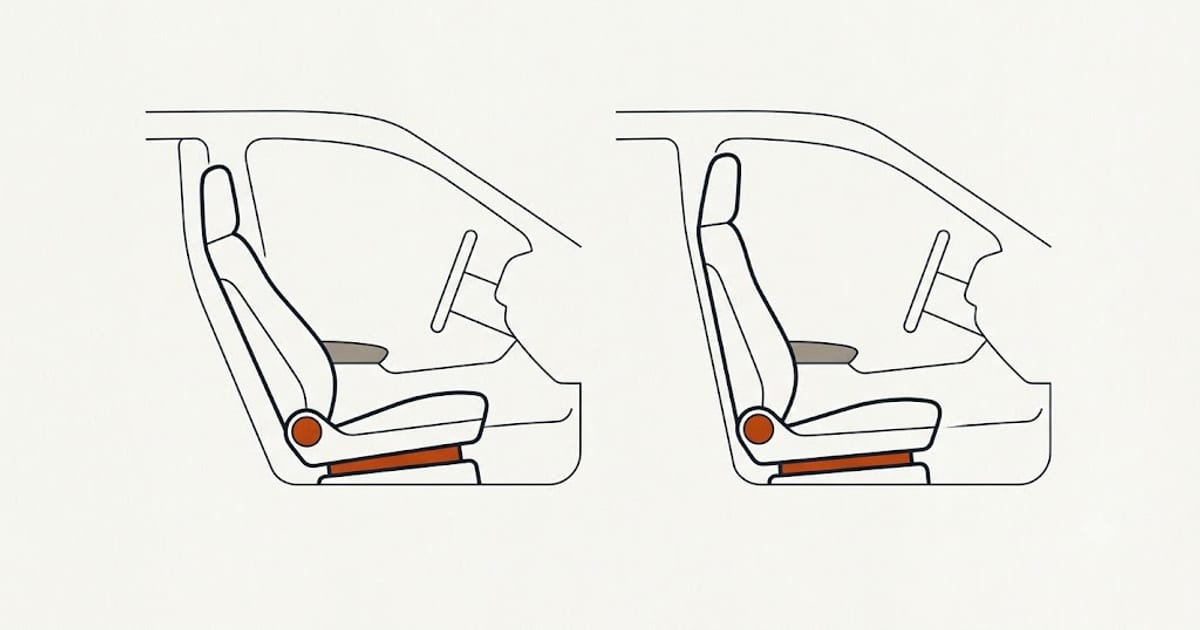 When to Switch to a Forward-Facing Car Seat: The Limit on Your Seat, Not the Birthday
There is no age at which a child should be turned around. There is a pair of numbers printed on the side of your seat, and they are the whole answer.
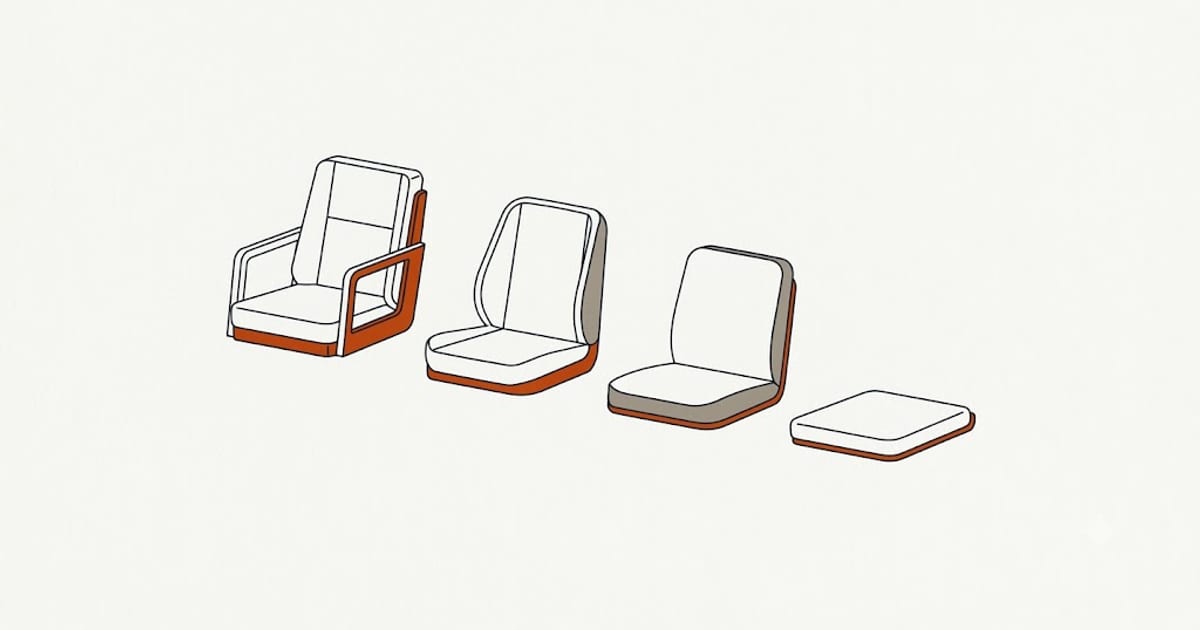 Car Seat Weight and Height Limits: Four Stages, Each Ended by a Printed Number
Every stage ends at a number printed on the side of your seat. Height reaches it before weight far more often than parents expect.
 When Can a Baby Sleep With a Blanket? Not Before 12 Months
Twelve months, and the reason is not that a blanket is cold or fussy — it is that a baby under one cannot reliably move something off their face.
 When Can a Baby Go in a Pool? Around 6 Months, and Water Temperature Decides
Six months is the common answer and the real constraint is temperature — a baby loses heat far faster than an adult and cannot shiver efficiently to recover it.
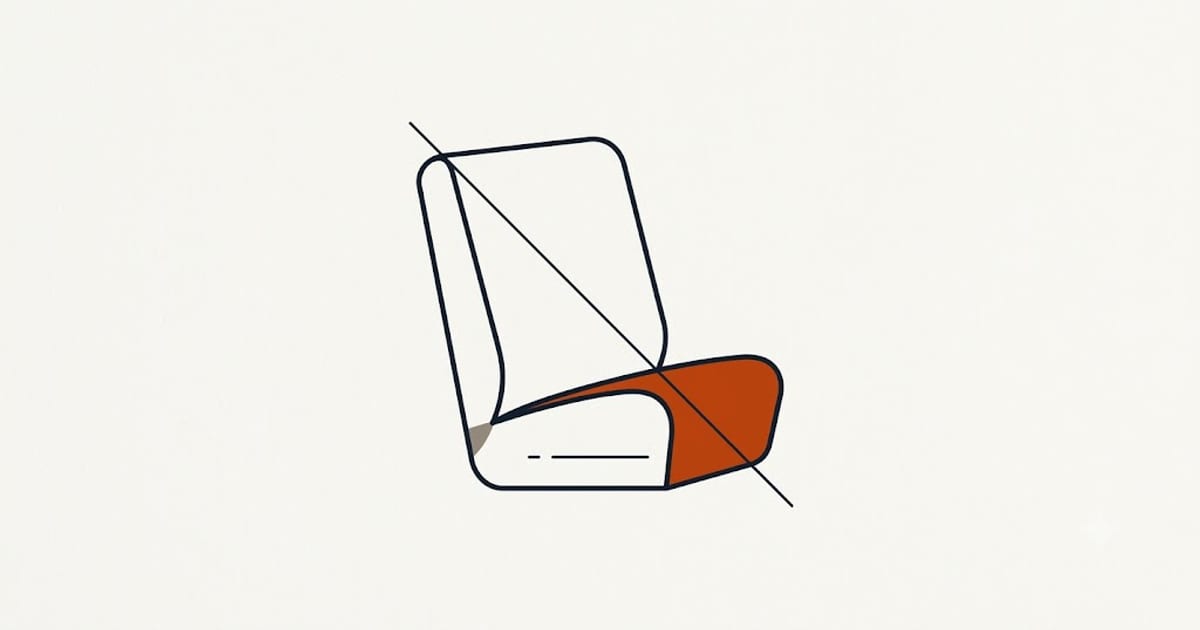 Booster Seat Age and Weight: Not Before 40 lb, and Usually Later Than the Law Allows
The law in most states permits a booster years before a child is ready for one. The harness limit on your own seat is the number that matters.
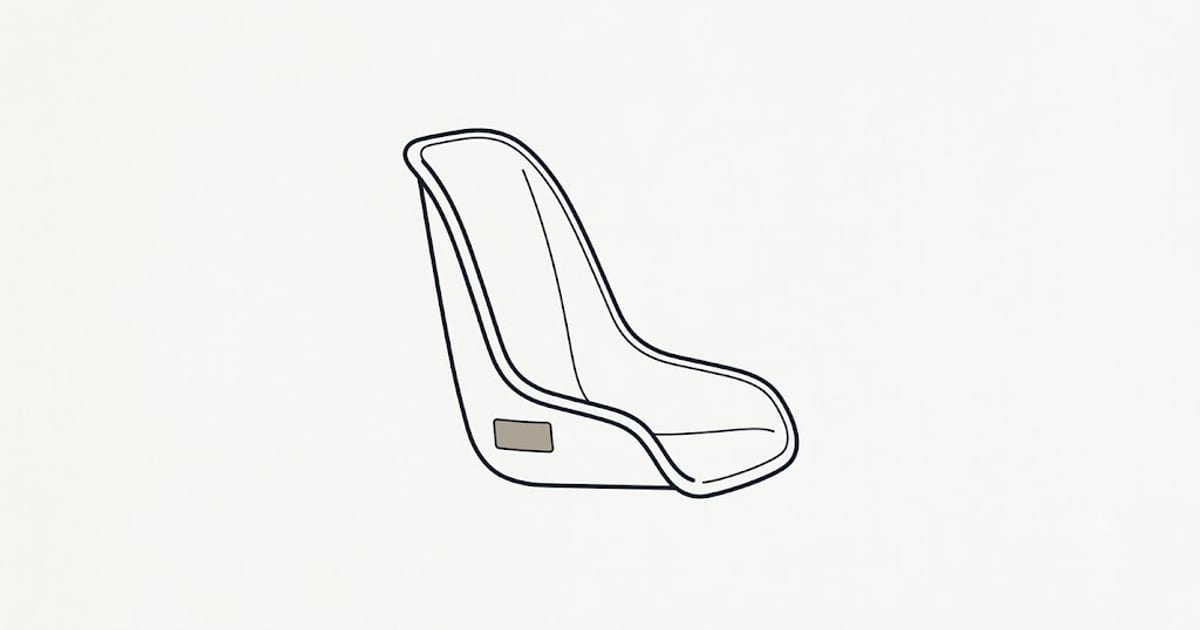 Car Seat Expiration Dates: 6 to 10 Years, and It Is Stamped on the Shell
Plastic degrades through years of heat cycling in a parked car. The date is moulded into the shell, and most people have never looked for it.