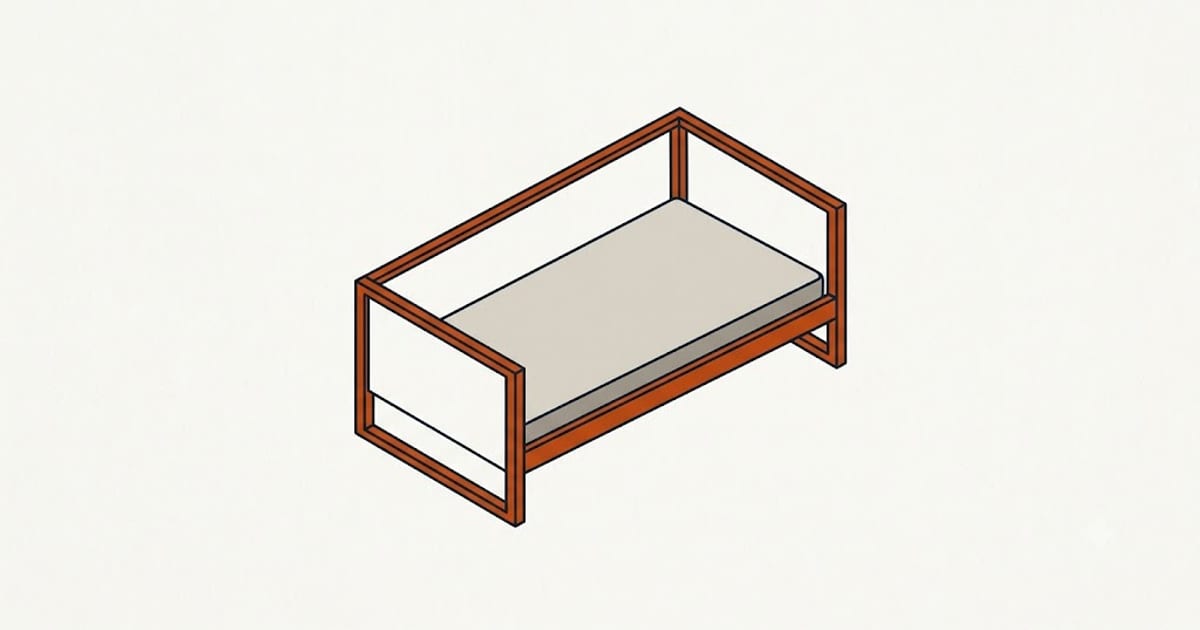
Not before 12 months. No blankets, no pillows, no bumpers, no soft toys in the sleep space for the whole first year.
Why the rule is absolute
A baby under a year cannot reliably move something off their face. That is the whole reason, and it is why the guidance has no exceptions for "just a thin one" or "only when supervised".
Loose bedding is associated with sudden unexpected infant death and with accidental suffocation. The risk is highest in the first six months and does not disappear at six — twelve months is where the major paediatric bodies draw the line, and it is the point at which most babies can move purposefully enough to clear an obstruction.
What to use instead
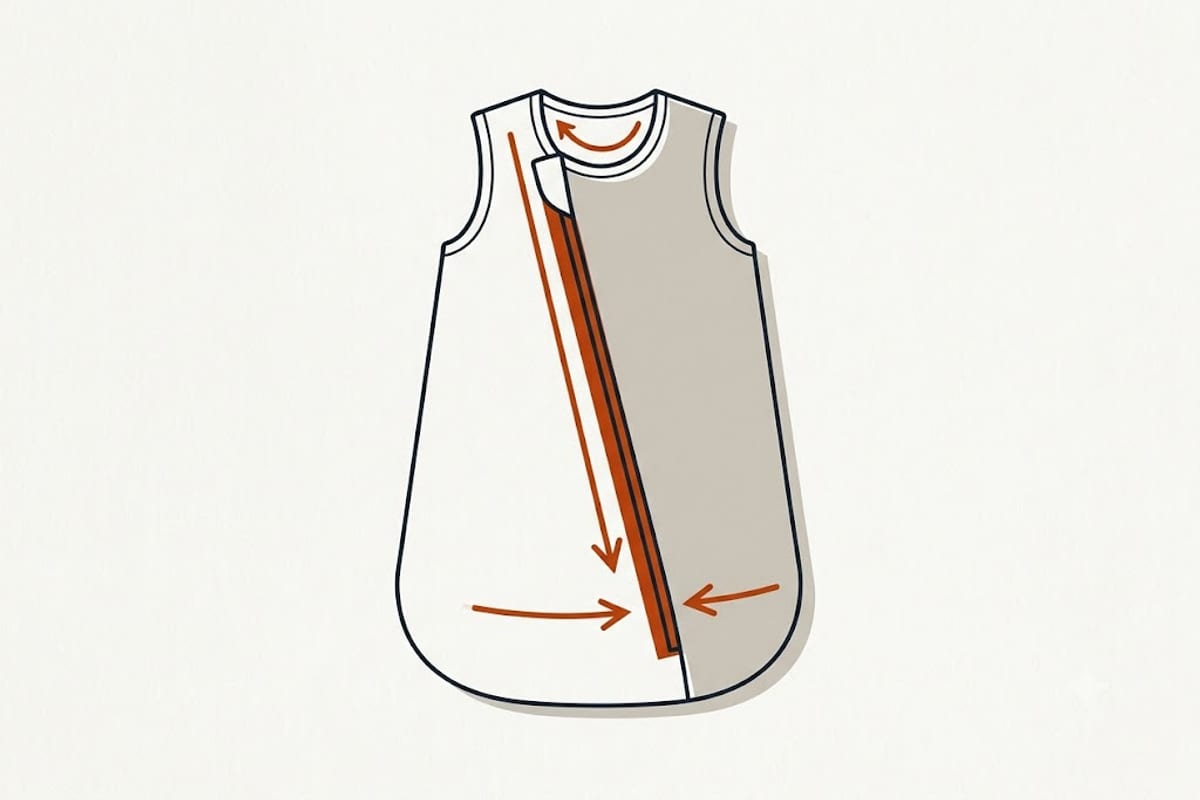
A sleep sack or wearable blanket. It cannot ride up over the face, it cannot be kicked off, and it keeps the baby at a stable temperature all night.
Sacks are rated in TOG, a measure of thermal insulation:
| Room temperature | TOG | Under the sack |
|---|---|---|
| 24–27°C / 75–81°F | 0.5 | Short-sleeved vest |
| 20–24°C / 69–75°F | 1.0 | Short-sleeved vest or light sleepsuit |
| 17–20°C / 63–69°F | 2.5 | Long-sleeved sleepsuit |
| Under 17°C / 63°F | 3.5 | Sleepsuit plus long-sleeved vest |
Swaddling is fine for newborns and must stop the moment a baby shows any sign of rolling — usually somewhere between two and four months. A swaddled baby who rolls onto their front cannot use their arms, and that is the specific hazard.
Checking temperature properly
Feel the chest or the back of the neck, not hands or feet. Hands and feet run cool in babies and tell you nothing.
Warm and dry is right. Sweaty, damp hair or a flushed face means too warm — overheating is itself a risk factor, and it is the more common error in winter.
Aim for a room at 16 to 20°C / 61 to 68°F.
The rest of the safe sleep rules
On the back, every sleep — naps included — until the baby rolls independently both ways. After that, place them on the back and let them find their own position.
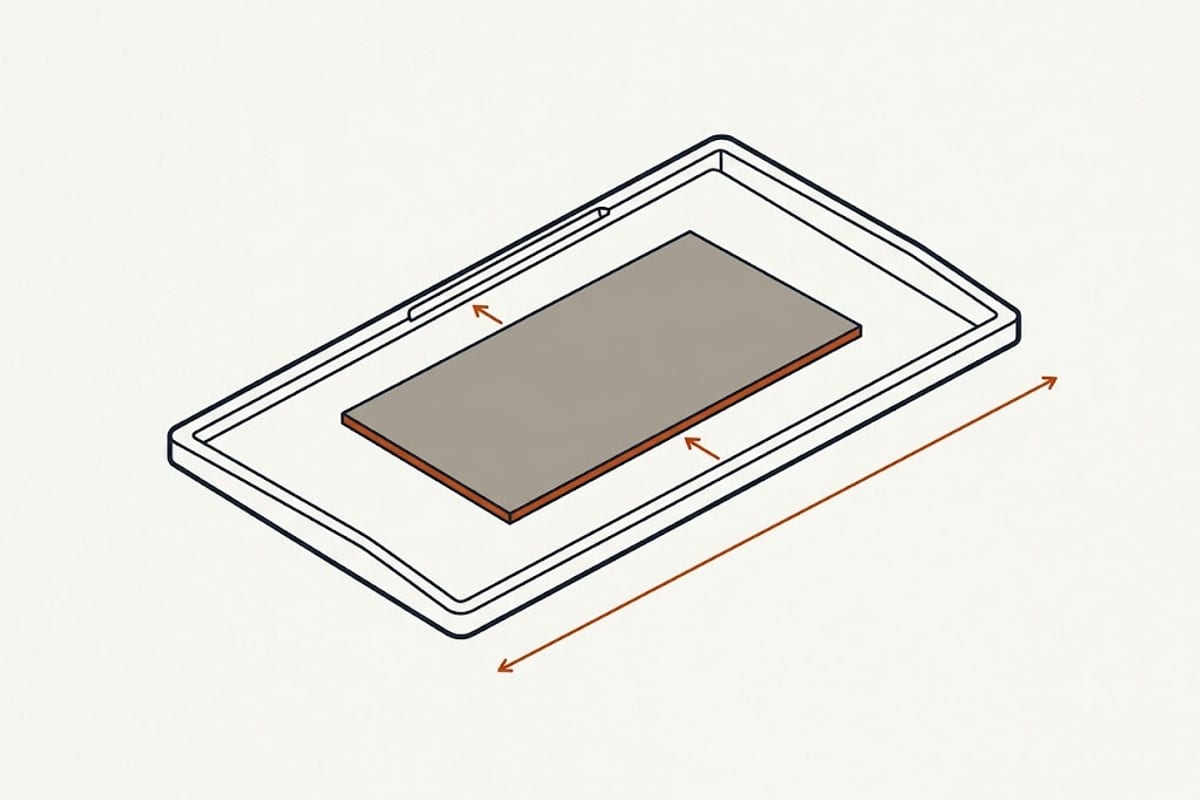
Firm, flat mattress, fitted sheet only. No positioners, wedges or inclined sleepers.
Own sleep space, in the parents' room ideally for the first six months. Room sharing without bed sharing.
Nothing else in the cot. No bumpers, no pillows, no soft toys, no loose sheets.
No hats indoors and no covering the head.
Where the rules come from
The back-to-sleep guidance dates from the early 1990s, when several countries ran public campaigns after research linked prone sleeping with sudden infant death. Rates fell by more than half in the years that followed, and the association is one of the better-established findings in paediatric public health.
The bedding guidance followed from the same body of work. It is worth knowing that the advice a grandparent was given was different and was given in good faith — the evidence changed, not the intentions.
That history is also why the rules are stated so flatly. They are not risk-ranked suggestions to be traded off against comfort; they are the interventions that produced the measured fall.
After the first birthday
A small, light blanket is acceptable from twelve months, and a small pillow from around eighteen months to two years.
Many families skip both entirely and keep using sleep sacks into the second and third year, which is a perfectly reasonable choice — a sack stays put, and a toddler who cannot kick it off does not wake cold at four in the morning.
Car seats are their own sleep hazard: babies should not be left to sleep in a car seat outside the car, since the semi-upright position can compromise the airway of a young infant. Car seat limits are on their own page.
Sources: American Academy of Pediatrics safe sleep recommendations; NHS Reduce the risk of sudden infant death syndrome; The Lullaby Trust safer sleep advice.
General reference, not medical advice. Speak to your health visitor or paediatrician about your own baby.