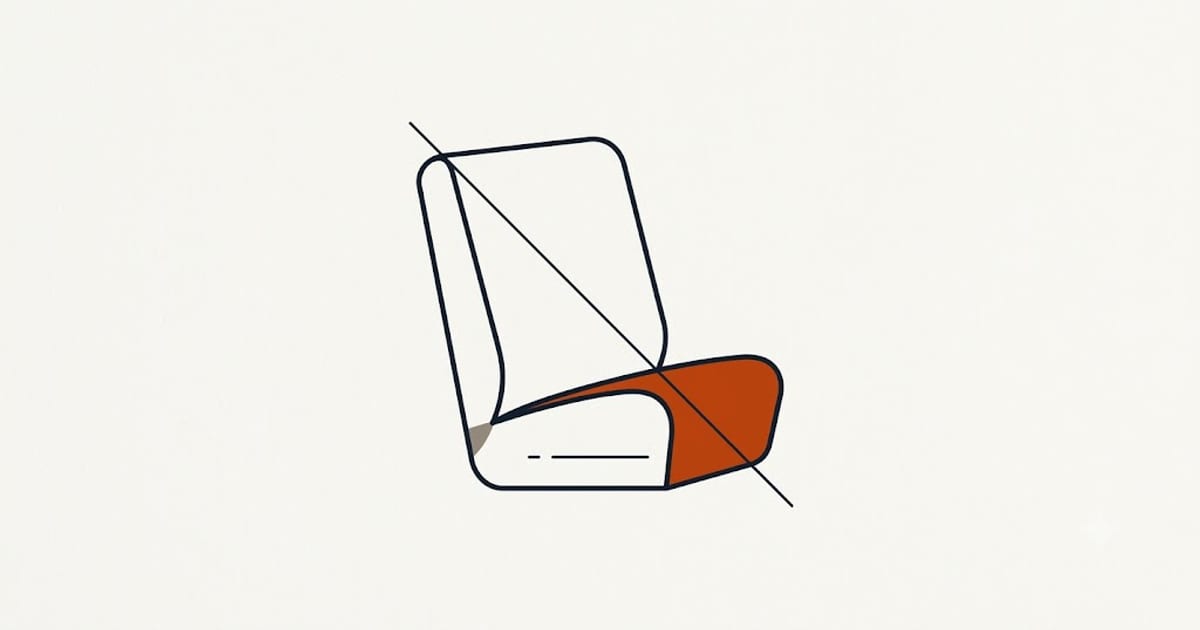
Not before 40 lb, and only after outgrowing the harness on a forward-facing seat — by weight or by shoulder height, whichever comes first.
| Minimum weight | 40 lb |
| Realistic age | 5–7 years |
| Prerequisite | Outgrown the harnessed seat's limits |
| Also required | Can sit properly for the whole journey |
| Ends at | Passing the 5-step test, usually 4 ft 9 in |
A booster is a downgrade
A harness spreads crash forces across five points on the strongest parts of the body. A booster does nothing except raise the child so the adult seat belt lands correctly — on the collarbone and the hip bones rather than the neck and the abdomen.
That is genuinely useful and it is less protection than a harness. Many harnessed seats now go to 65 lb, and staying in one until that limit is the better choice for nearly every child.
The legal minimum in most states is well below what paediatric guidance recommends. Meeting the law is not the same as being ready.
The maturity requirement nobody puts in a table
A booster only works if the child stays in position for the entire journey. Leaning to look out of the window, slouching, sleeping sideways, or slipping the shoulder belt behind the back all put the belt somewhere it cannot work.
A four-year-old who meets the weight will not reliably do this. A six-year-old usually will. That is the real reason the practical age is later than the weight suggests, and it is worth watching on a long drive before deciding.
High-back or backless
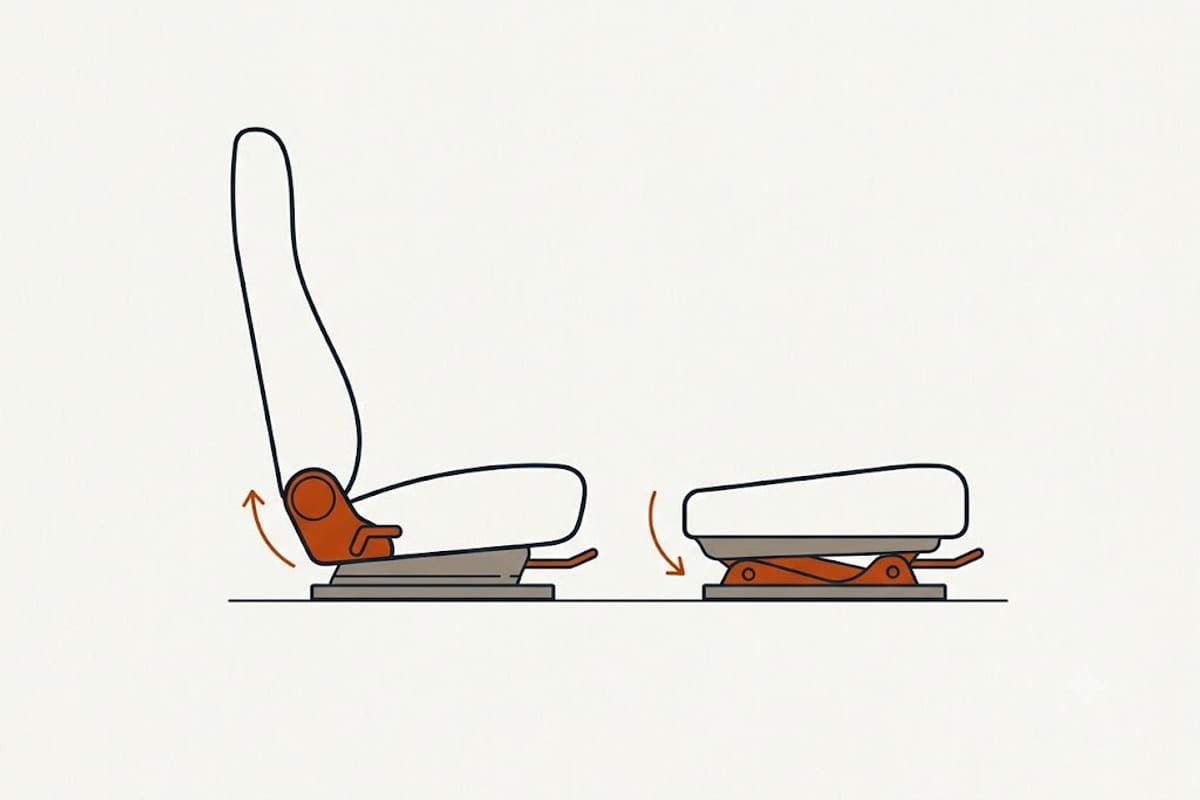
High-back is the better default. It positions the shoulder belt with a guide, supports the head in vehicles without a head restraint at the right height, and gives side-impact protection. It also gives a sleeping child somewhere to rest their head without falling out of belt position.
Backless is acceptable for older, taller children in vehicles with head restraints that reach above the child's ears — and it is easier to move between cars and to carry.
If the vehicle's head restraint does not come above the top of the child's ears, high-back is the only correct option.
The five-step test that ends the booster
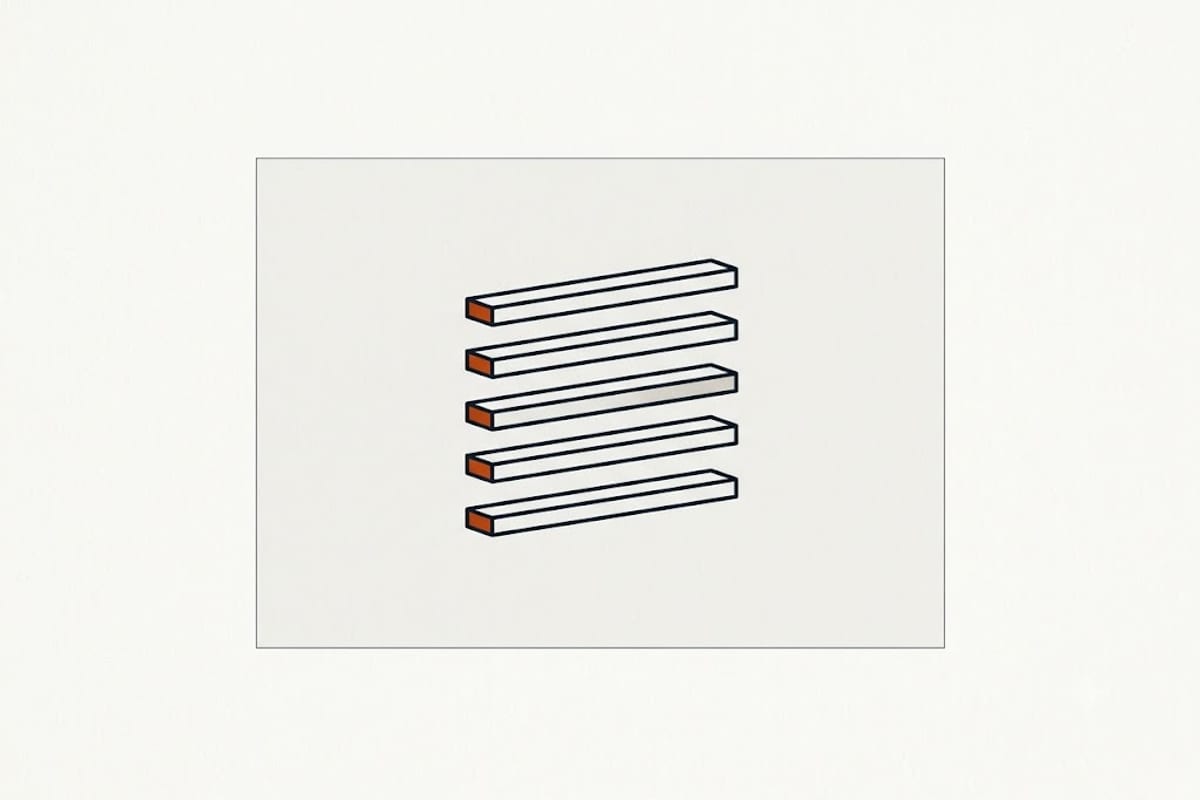
A child is ready for the belt alone when all five are true, in that specific vehicle:
- Back flat against the vehicle seat back
- Knees bend comfortably at the seat edge
- Lap belt low across the upper thighs, not the stomach
- Shoulder belt across the middle of the chest and shoulder, not the neck
- They can stay that way for the whole journey without slouching
Most children pass around 4 ft 9 in, typically between 10 and 12 years old.
It is vehicle-specific. A child who passes in one car may fail in another with a longer seat base or different belt geometry, which is why the booster travels rather than living in one car.
Back seat until 13
Regardless of stage. Front passenger airbags deploy with enough force to injure a child, and the back seat is measurably safer for everyone under 13.
The other rule with no exception: nothing bulky under the belt. Winter coats compress in a crash and leave slack exactly where slack is dangerous — coat off, belt on, coat over the top.
Earlier stages and their limits are on their own page, and rear-facing has its own.
Sources: American Academy of Pediatrics, Child Passenger Safety; U.S. National Highway Traffic Safety Administration.
General reference. Your seat's manual and local law are the authorities for your situation.