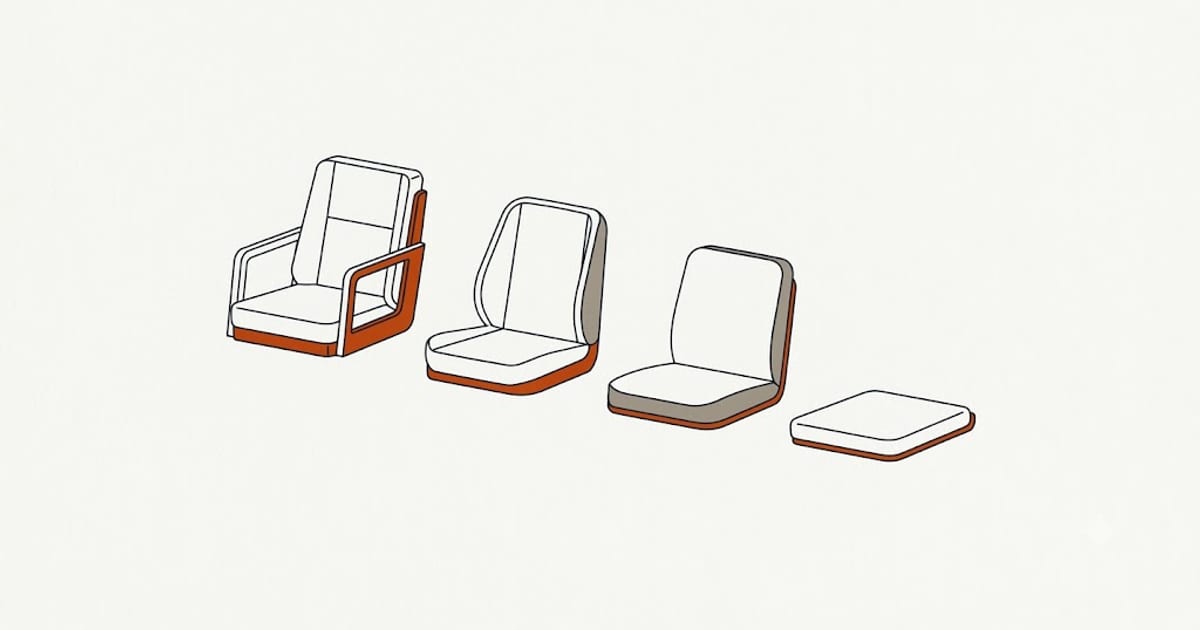
| Stage | Typical range | What ends it |
|---|---|---|
| Infant carrier | 4–35 lb, up to 32 in | Weight limit or 1 in of shell above the head |
| Convertible, rear-facing | 5–50 lb | Rear-facing weight limit or 1 in above head |
| Forward-facing, harnessed | 22–65 lb | Harness weight limit or shoulders above top slot |
| Booster | 40–120 lb | Passing the 5-step fit test without it |
| Seat belt alone | Usually 4 ft 9 in, 10–12 yrs | — |
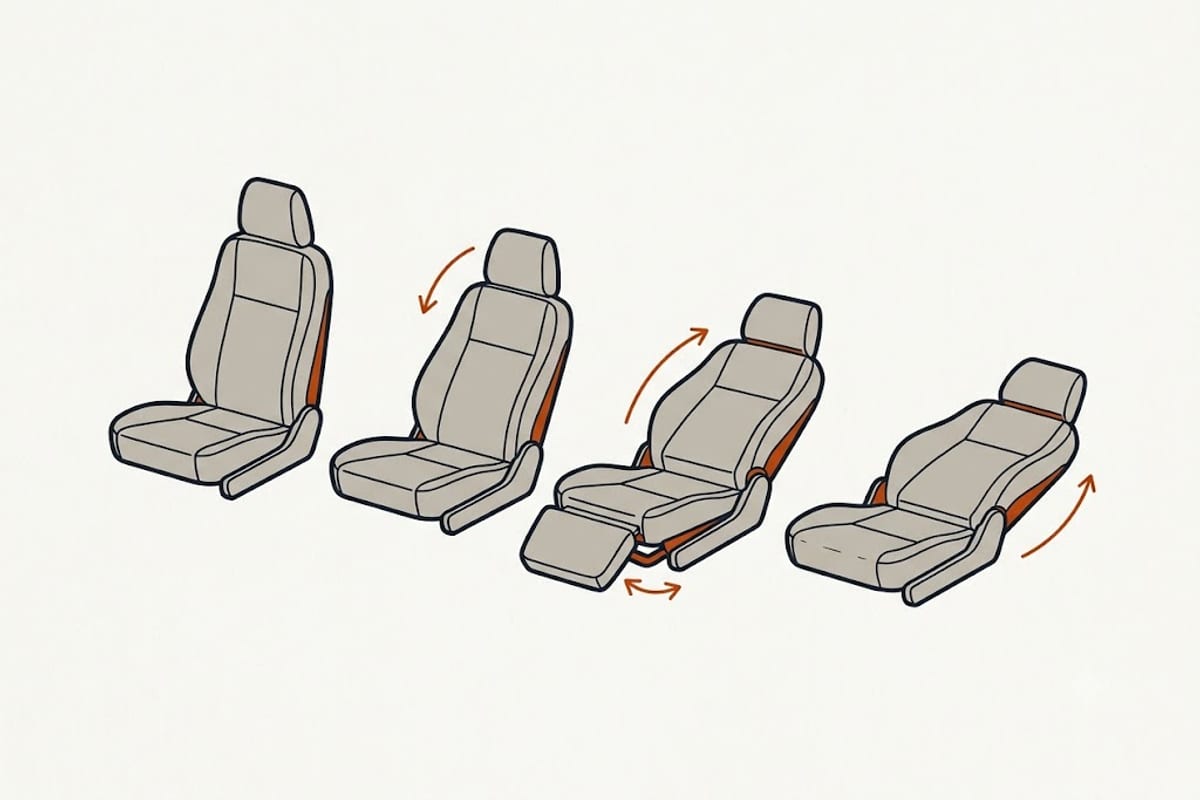
Whichever limit arrives first ends the stage. These are typical ranges; the numbers that govern your child are on the label on the side of your seat and in its manual.
Height binds before weight, usually
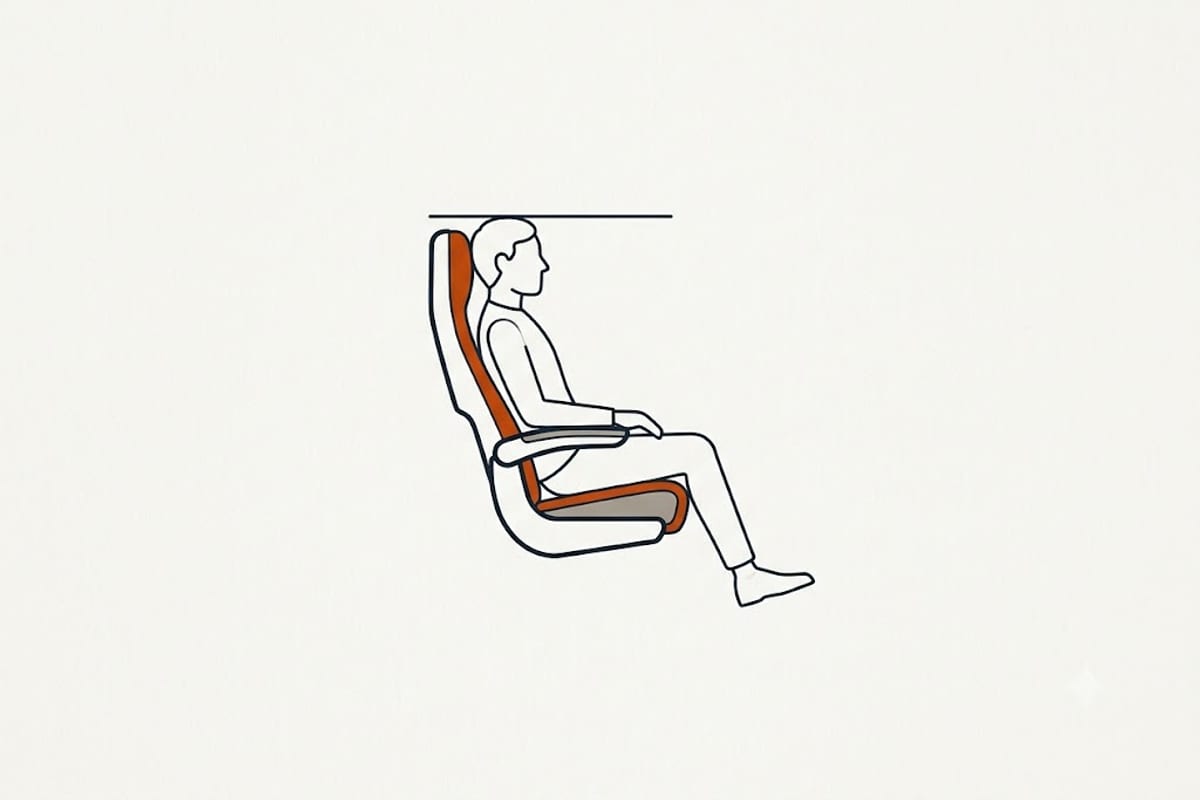
Tall, light children hit the height limit long before the weight limit, and this catches most parents out.
Rear-facing: the top of the head must stay at least 1 inch below the top of the shell. That is the rule that ends most infant carriers, often at 26 to 28 lb rather than the 35 lb on the box.
Forward-facing: the shoulders must stay at or below the top harness slot. Some seats add a standing-height limit too.
Booster: the child's ears must stay below the top of the vehicle head restraint or the booster's own back.
Check head clearance before weight, every few months.
The stages are downgrades, not promotions
Each transition reduces protection. There is no stage that is an improvement, and no reason to hurry any of them.
The AAP removed its age-two reference in 2018 and now says keep children rear-facing as long as possible, until the seat's highest weight or height. The age had started working backwards — parents were turning children at two, treating a minimum as a schedule. Most modern convertibles allow rear-facing well past three, and often past four.
The five-step test that ends the booster
A child is ready for the seat belt alone when all five are true in that specific vehicle:
- Back is flat against the vehicle seat back
- Knees bend comfortably at the edge of the seat
- Lap belt sits low across the upper thighs, not the stomach
- Shoulder belt crosses the middle of the chest and shoulder, not the neck
- The child can stay that way for the whole journey without slouching
It is a vehicle-specific test. A child who passes in one car may fail in another with a longer seat base or a different belt geometry, and the booster travels between cars for that reason.
Two limits people miss entirely
Expiry dates. Car seats expire, typically 6 to 10 years from manufacture, stamped on the shell. Plastic degrades with heat cycling and the standards change. An expired seat is not usable, and neither is one that has been in a moderate or severe crash.
Weight limits on the top tether and the lower anchors. LATCH lower anchors are commonly rated to a combined 65 lb of child plus seat — meaning the seat must be installed with the vehicle seat belt instead beyond a certain child weight. The number is in both manuals and it is one of the most widely missed rules in car seat use.
The thing that goes wrong most often
Harness fit rather than stage. Rear-facing, straps through the slots at or below the shoulders; forward-facing, at or above. Chest clip at armpit level. The harness passes the pinch test — no slack to gather at the shoulder.
More children ride in poorly adjusted seats than in the wrong stage, and a correctly chosen seat with a loose harness gives up most of what it was chosen for.
Weight and height by age are on the growth pages, and the rear-facing question has its own page.
Sources: American Academy of Pediatrics, Child Passenger Safety policy statement (2018); U.S. National Highway Traffic Safety Administration.
General reference only. Your seat's manual and labels are the authority for your seat, and local law sets a separate minimum.