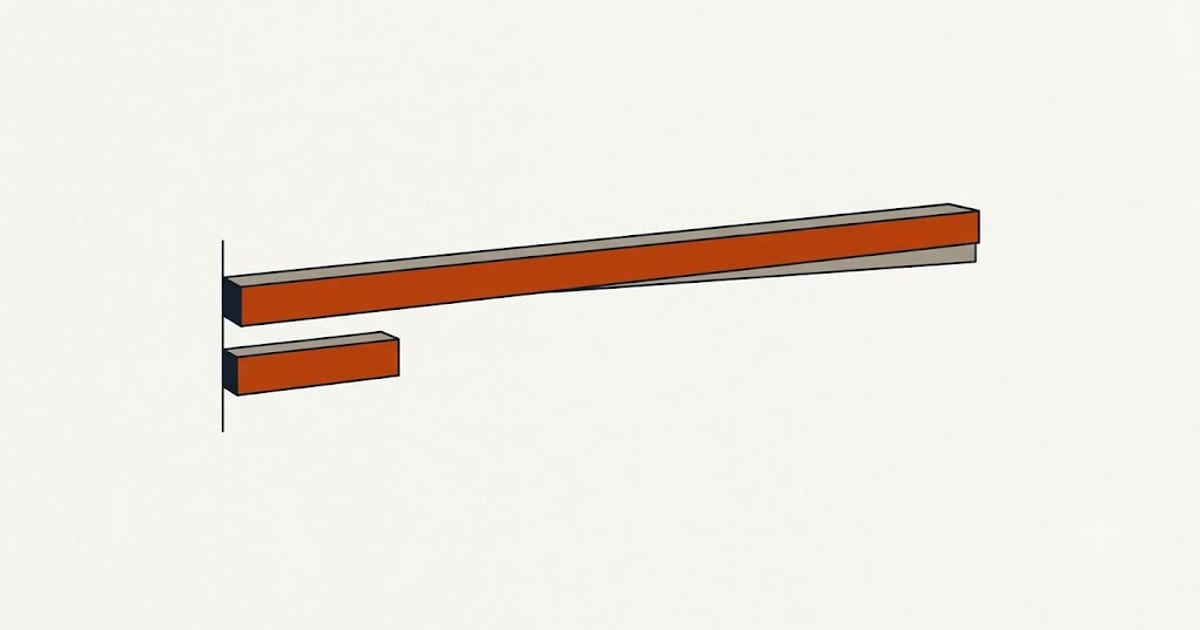
Around 6 months, and not before 4 months under any circumstances.
The World Health Organization recommends exclusive milk feeding to six months. The American Academy of Pediatrics says around six months. The NHS says around six months. The guidance is unusually consistent.
The four signs that matter more than the date
A date is a population average. These are about this baby:
Sits with support and holds the head steady. Swallowing safely requires an upright, stable head. This is the non-negotiable one.
Lost the tongue-thrust reflex. Young babies automatically push solids out of the mouth with the tongue. Food coming straight back out is the reflex, not a dislike.
Reaches for food and brings it to the mouth. Coordination of eye, hand and mouth.
Shows interest — watching you eat, opening the mouth when a spoon approaches.
A baby can hit all four at five and a half months or at nearly seven. Both are normal. Waiting past six months for all four is fine; starting before four months is not, because the swallow and the gut are not ready.
How little they actually eat at first
This surprises everyone. The first weeks of solids are practice, not nutrition.
| Age | Solids per day |
|---|---|
| 6 months | 1–2 tbsp, once or twice |
| 7–8 months | 2–4 tbsp, twice |
| 9–11 months | ¼–½ cup, three times |
| 12 months | ½–1 cup, three times + snacks |

Milk stays the main source of nutrition through the first year. Solids should be added around milk feeds rather than replacing them, and the daily formula total only starts falling meaningfully from around eight months.
That is why a baby's formula intake declining at ten months is the expected pattern rather than a problem — solids are supplying roughly a third of energy needs by then.
The allergen guidance reversed
This changed, and a great deal of older advice online is now wrong.
Guidance used to be to delay peanut, egg and other common allergens. Current guidance is to introduce them early, from around six months alongside other foods, and to keep offering them regularly. Trials found early introduction reduces the chance of developing an allergy rather than raising it.
Introduce one new allergen at a time, at home, earlier in the day, so any reaction is observable. Never whole nuts — a choking hazard until at least five years.
Babies with severe eczema or an existing food allergy are a separate case and should be introduced to allergens under medical advice.
What not to give in the first year
Honey — risk of infant botulism, and the rule is absolute until twelve months.
Cow's milk as a drink — small amounts in cooking are fine, but not as a main drink until twelve months.
Added salt and sugar — kidneys cannot handle the sodium load, and there is no benefit to the sugar.
Whole nuts, whole grapes, popcorn, raw carrot sticks — choking hazards. Grapes quartered lengthwise, nuts as smooth butter thinned with milk.
Unpasteurised anything, and low-fat versions of dairy — babies need the fat.
Purée or finger food
Both work. Spoon-fed purées and baby-led weaning have comparable outcomes in the research, and many families do a mix.
What matters more than the method: the baby is upright, supervised the entire time, and never left alone with food. Gagging is common, loud and normal — it is the protective reflex working. Choking is silent, and it is the reason for the supervision rule.
Feeding volumes across the same period are on the formula pages, and growth over it is read against the curve.
Sources: World Health Organization infant feeding guidance; American Academy of Pediatrics, Starting Solid Foods; NHS Your baby's first solid foods.
Reference information, not medical advice. Your paediatrician or health visitor knows your baby.